Overseas Distributed Node Simulation Platform: Platform Token Demo, Tiered Membership, and Multi-Language Deployment Guide
Disclaimer: This article is provided for technical education and demonstration purposes only. It does not constitute investment, legal, or financial advice. Any real-world deployment of similar systems requires thorough legal review, appropriate licensing, and strict compliance with local regulations in every jurisdiction where the platform operates. No returns, profits, or operational outcomes are guaranteed.
Overseas Distributed Node Simulation Platform: Platform Token Demo, Tiered Membership, and Multi-Language Deployment Guide
Building a modern, scalable digital platform is no small task. Whether you are a startup team or an established business exploring Web3 infrastructure, you need an architecture that can grow without becoming a maintenance nightmare. This guide walks through a simulation-style platform built around distributed node hosting concepts, platform token demonstrations, and a tiered membership model. The focus here is on the technical structure and deployment patterns, not on selling a turnkey money-making product.
Technology drives innovation, but solid engineering keeps it alive. A mature, well-documented architecture is the foundation of any serious project.
System Architecture and Technical Design
The platform follows a front-end/back-end separation pattern. The front end is built with responsive frameworks so that pages render cleanly on both desktop and mobile browsers. The back end runs on a high-concurrency server stack capable of handling many simultaneous sessions without choking. On the data side, the database layer uses replication and caching strategies to keep read-heavy pages responsive.
Multi-language support is built in from the start. The interface can be switched between English, Chinese, Japanese, Korean, and other languages through an admin-managed translation system. Text strings follow standard i18n conventions, so adding a new language usually means translating keys rather than rewriting templates.
Core Functional Modules
The demo platform is organized around several interconnected modules. Each one is designed to be independently testable and replaceable.
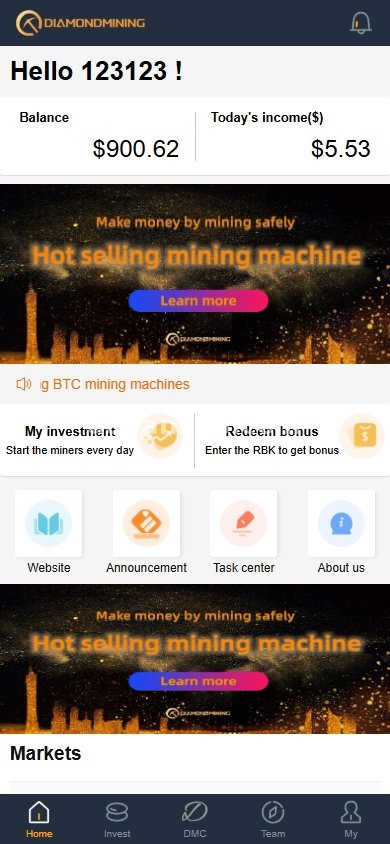
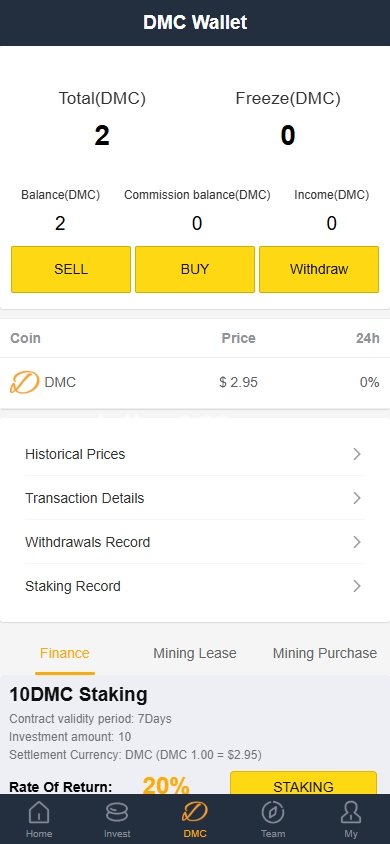
Asset Management: Users can view balances, transaction records, and transfer histories. The module supports deposit and withdrawal workflows, including USDT withdrawals through configured payment integrations. All operations are logged for audit purposes, and admin tools can flag unusual account activity.
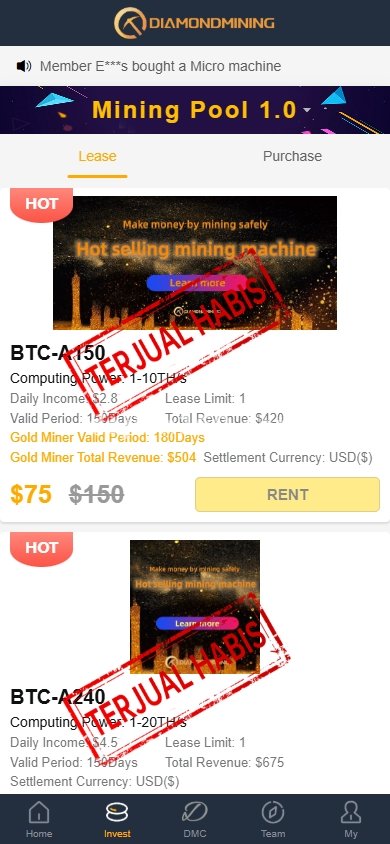
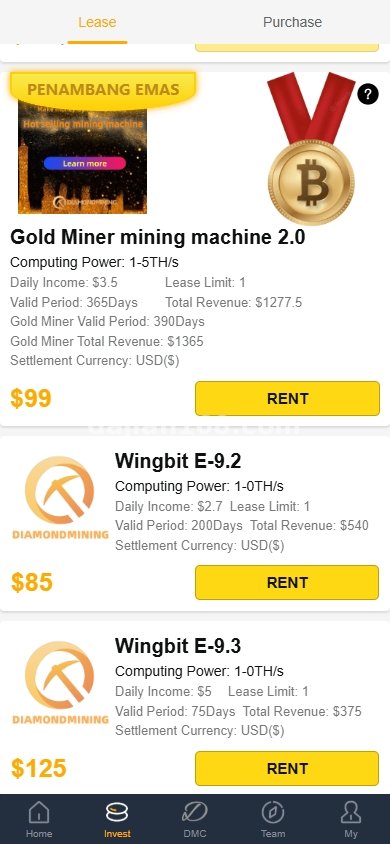
Token Demo and Locked Demo Pool: Instead of live yield-bearing contracts, the platform demonstrates how a platform token could be presented to users. Demo plans include flexible and fixed-term pools for educational purposes. This is purely a simulation layer; no real staking rewards or guaranteed returns are embedded in the code.
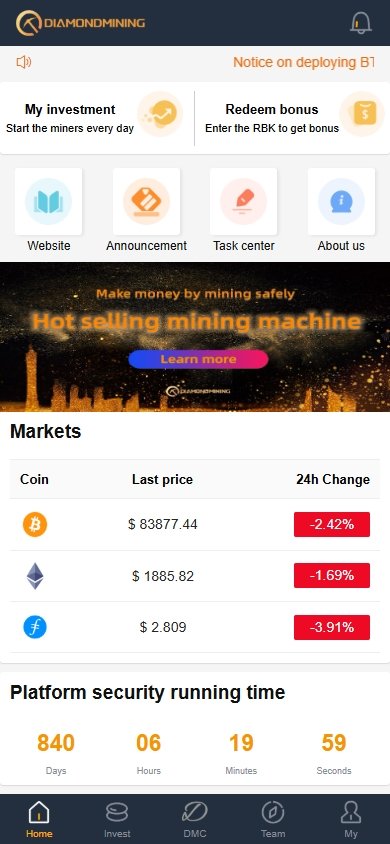
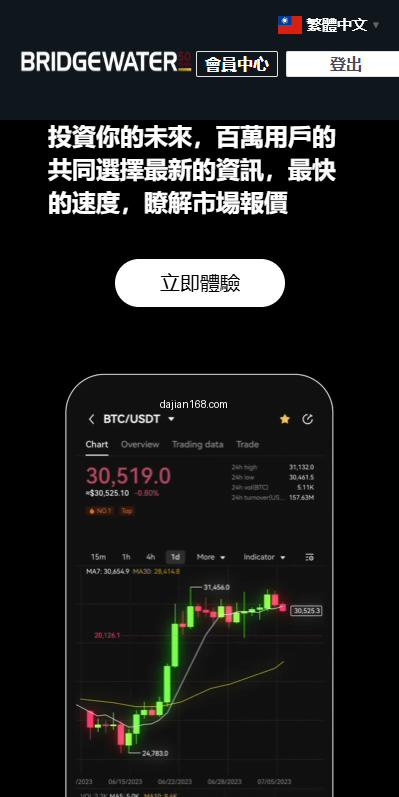
Trading and Exchange: The demo includes limit and market order interfaces, a simple depth-matching simulation, and real-time charting components. These are useful for understanding how an exchange front end connects to back-end order logic, even when running in sandbox mode.
Tiered Membership Demo: A referral tier visualization shows how multi-level membership structures can be modeled in code. Commission rates and referral relationships are configurable in the admin panel. This is intended as a data-modeling example, not as a promise of referral income.
Community Features: Announcements, messaging, and voting modules give users a way to interact with platform updates and participate in lightweight governance polls.
Security and Risk Control
Security should never be an afterthought in any system that touches user assets or sensitive data.
Data Security: Traffic is encrypted with SSL/TLS. Sensitive database fields are encrypted at rest, and the project includes regular security audit checklists and vulnerability scanning steps. Complete operation logs are kept so that incidents can be traced.
Fund Security: The demo separates the concepts of hot and cold wallet storage. It also supports two-factor authentication, login anomaly alerts, and configurable operation limits to reduce the impact of compromised accounts.
Risk Control: An internal rules engine can flag abnormal session behavior in real time. Admins can configure IP restrictions, device binding, and login-frequency thresholds through the management interface.
Deployment and Maintenance
The project ships with deployment scripts and supports containerized environments. It can be launched on common cloud providers such as Alibaba Cloud, Tencent Cloud, or AWS. The back-end structure is compatible with FastAdmin and ThinkPHP conventions, which means teams already familiar with those ecosystems can extend the code without learning an entirely new stack.
For ongoing maintenance, the architecture supports online hot updates to minimize downtime, and the modular design makes custom feature development easier. Technical documentation and operation manuals are included to help new developers get oriented.
Frequently Asked Questions
Is this a live financial product?
No. This is a technical demonstration and educational reference. It shows how a distributed node simulation platform could be structured, but it is not a licensed financial service and does not guarantee any returns.
Can I deploy this for production use immediately?
You should not deploy any similar system in production without legal review, proper business licensing, security audits, and compliance checks for every jurisdiction you intend to serve. This guide focuses on architecture, not regulatory approval.
What back-end technologies are used?
The back end is built around conventions common to FastAdmin and ThinkPHP, with a front-end/back-end separated architecture. The exact stack can be adapted based on your team’s preferences and infrastructure requirements.
Does the system support cryptocurrency payments?
The demo includes payment integration examples and supports withdrawal workflows such as USDT. Any live payment processing must be connected through licensed payment gateways and comply with local financial regulations.
Who is this guide for?
It is aimed at developers, technical architects, and project teams who want to understand how a multi-language, modular platform can be built and deployed. It is not intended for end users seeking investment opportunities.
Disclaimer: This article is provided for technical education and demonstration purposes only. It does not constitute investment, legal, or financial advice. Any real-world deployment of similar systems requires thorough legal review, appropriate licensing, and strict compliance with local regulations in every jurisdiction where the platform operates. No returns, profits, or operational outcomes are guaranteed.