Multi-language Forex Market Simulation Platform Setup: Complete Deployment Guide for Overseas Demo Trading Systems
Multi-language Forex Market Simulation Platform Setup: Complete Deployment Guide for Overseas Demo Trading Systems
Disclaimer: This article is for technical education only and does not constitute investment advice. Real financial operations require appropriate licenses and compliance with local regulations. The platform described here is a simulated environment designed for learning, risk-control practice, and technical research.
I helped a friend in overseas education deploy a multi-language forex market simulation platform. This system supports demo trading practice, risk-control education, and uniapp multi-end deployment. The entire project took nearly two months from source deployment to online operation, and we encountered many pitfalls along the way. Today I have organized the entire deployment process, hoping to help people with similar needs.
I. System Core Features
This forex market simulation platform has several significant advantages compared to traditional demo environments:
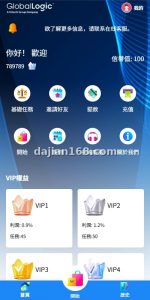
- Multi-language Frontend: The client developed with uniapp, one set of code simultaneously generates Android APP, iOS APP and H5 web pages, supporting real-time switching in 12 languages including Chinese, English, Japanese, and Korean.
- Demo Trading Practice Cycles: Supports simulated order placement of multiple cycles such as 1 minute, 5 minutes, 30 minutes, and 1 hour, allowing learners to practice opening and closing positions in a risk-free environment.
- Real-name Verification System: Integrated KYC real-name verification, supports multiple document recognition including ID cards, passports, and driver’s licenses, connected to third-party real-name verification APIs for educational account identity confirmation.
- Risk-Control Demo System: The backend can set maximum single demo transaction amount, maximum daily simulated loss amount, and automatic circuit breaker mechanism to teach risk management concepts.
- Demo Account Analytics: Provides learning progress tracking, simulated profit and loss reports, and risk exposure charts to help users understand market dynamics without real capital.
The system backend uses PHP+MySQL architecture, frontend uses uniapp+Vue.js, and market data is pushed in real-time through WebSocket.
II. Pre-Deployment Preparation
Before formal deployment, it is recommended to implement the following matters:
- Server configuration: At least 4 cores 8GB memory, SSD hard disk, recommended to use AWS or Alibaba Cloud overseas nodes.
- Domain registration: Overseas operation does not require domestic filing, it is recommended to purchase a short and memorable .com domain.
- SSL certificate: HTTPS must be configured, it is recommended to purchase a commercial SSL certificate to enhance user trust.
- Market data interface: Apply in advance for demo market data channels supporting multiple currencies, such as FXCM demo data, OANDA practice API, or other educational market data providers.
- Market data source: Connect to formal forex market data APIs, such as FXCM, OANDA, etc., ensuring all data is used for simulation and education purposes only.
Important Note: The stability of the market data source directly determines the demo experience. During our testing period, we used a free market API, which often resulted in 3-5 second delays, and test users complained constantly. Later we switched to a paid API, and the delay was controlled within 200 milliseconds.
III. Common Issues and Solutions
3.1 WebSocket Connection Instability
When the number of simultaneous online users exceeds 500 during peak periods, WebSocket connections frequently disconnect. The solution is to add WebSocket cluster nodes and use Redis as a message queue buffer.
3.2 Language Switching Loses User Data
After users switch languages, the originally filled personal information and demo records display abnormally. Later we found that there was a problem with the frontend cache mechanism, and the user status was not correctly refreshed when switching languages. The solution is to force re-fetch user data when switching languages.
3.3 Low Real-Name Verification Pass Rate
The system’s built-in OCR recognition has only a 60% recognition rate for documents from some countries. The solution is to connect to third-party AI recognition services (such as Tencent Cloud or Alibaba Cloud OCR), which improves the recognition rate to over 95%.
IV. Customization Development Options
According to actual educational needs, this system can also be expanded as follows:
- Add Simulation Strategy Sharing System: Support learners to share demo strategies and practice records for collaborative learning.
- Develop Market Data Visualization System: Connect to charting and data sources for enhanced learning interfaces.
- Add Demo Trading Sandbox: New users can practice in the demo account first, and then use advanced simulation features after getting familiar.
- Connect Backtesting Module: Support historical data backtesting for demo strategies without live execution.
V. FAQ
Q1: Which countries is this system suitable for?
A: Currently, educational demo users in Southeast Asia (Thailand, Vietnam, Malaysia) and Latin America (Brazil, Mexico) are operating well. Always comply with local financial education and data protection regulations.
Q2: Is the trading data real or simulated?
A: The system uses real-time market data only for display and simulation purposes. All orders placed by users are demo orders in a sandbox environment and do not involve real funds or actual financial settlements.
Q3: How is the system security guaranteed?
A: The system has built-in multiple security mechanisms, including SSL encrypted transmission, sensitive operation two-factor authentication, SQL injection protection, and XSS attack protection.
Disclaimer: This content is provided for technical education and research purposes only. It is not financial or investment advice. Any real financial operation requires proper licensing and compliance with applicable laws and regulations.
#ForexMarketSimulation #DemoTradingSystem #MultiLanguageDemoPlatform #TechnicalEducation