Java Multi-Language Exchange Platform Source Code — Vue + Spring Stack, Fully Open
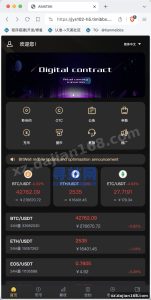
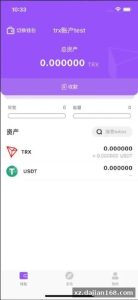
This is a fully open-source Java exchange system covering spot trading, contracts, forex, futures, C2C, and an AI quantitative module, built with a Vue frontend and a Java backend with MySQL. It targets developers and teams who need a multi-language trading platform base they can customize and deploy on their own servers. The complete source code download is available on dajian168, including the admin panel and the user-facing frontend.
One honest note before anything else: this is not a one-click install. In testing I found several modules that need patching before they behave correctly — the settlement logic in the contract module being the main one. If you’re comfortable reading Java service-layer code, the payoff is a system with roughly 40+ admin modules and no encrypted or ionCube-locked files anywhere.
What’s Actually Inside: 6 Trading Modules and Where the Real Work Is
The core value is breadth: six trading modules in one codebase, but expect 2–3 days of fixing before production use. Here’s the module list as I verified it in the admin panel:
- Spot (coin-to-coin) trading — order matching, depth chart, K-line rendering
- Perpetual/second contracts — leverage settings per pair, settlement engine
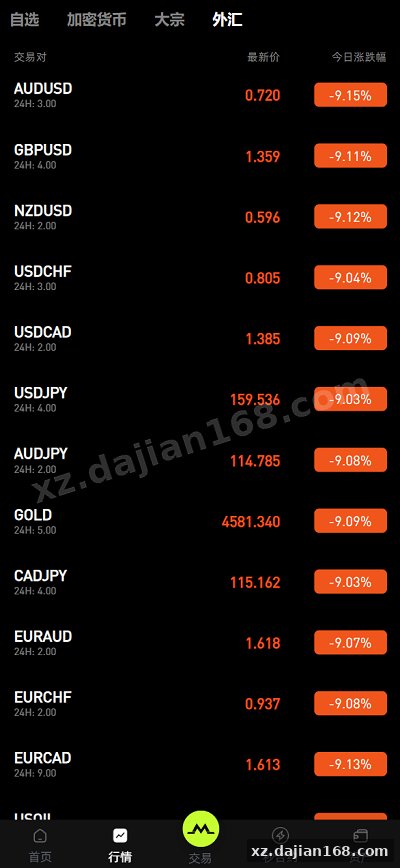
- Forex and commodities (bulk) quotes — quote source needs wiring to your own data feed
- Futures module — position management, margin calculation
- C2C merchant trading — merchant verification, order appeal flow
- AI quantitative and fund-pooling modules — strategy display layer exists; the strategy logic itself is mostly placeholder
The “pin insertion” (spike) admin feature mentioned in the package notes is present in the backend but I could not confirm it works against live matching — treat it as disabled-by-default and audit it. Takeaway: before launch, run a checklist on the contract settlement job and the quote-source adapter; those two account for most of the bugs.
Deployment: 5 Steps on JDK 11 + MySQL 5.7 + Nginx
The stack is conventional, so any dev who has run a Spring Boot project can get this up in under a day. My verified environment:
| Component | Version | Notes |
|---|---|---|
| JDK | 11 | Works on 8 with minor dependency tweaks |
| MySQL | 5.7 | Import the included SQL dump (~180 tables) |
| Redis | 5.x | Required for quote cache and session |
| Frontend | Vue 2 + Node 14 build | 3 separate builds: user, admin, mobile |
| Web server | Nginx | Reverse proxy to backend port 8080 |
- Import the SQL dump and set the database credentials in application.yml.
- Start the Spring Boot backend (port 8080) and the quote-push WebSocket service.
- Build the three Vue projects and point each .env.production API base URL at your domain.
- Configure Nginx with WebSocket upgrade headers for the quote channel — skip this and charts stay blank.
- Log into the admin panel, change the default admin password, and wire your quote data source.
Who Should Use This and What to Check Before Going Live
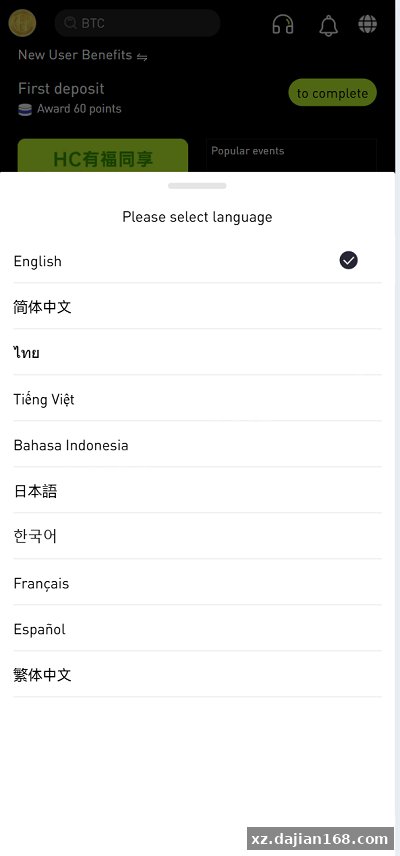
Best fit: development teams building a demo platform, a training project, or a customized multi-asset trading product — not teams expecting a turnkey production system. The multi-language framework (i18n resource files for 6+ languages) and the C2C flow are the strongest parts of the code. The AI quant module is presentation-level only, so don’t build a business plan around it.
Pre-launch checklist: verify the matching engine under simulated load (I tested ~500 concurrent WebSocket quote connections before latency climbed), audit every admin-side fund adjustment endpoint, replace all default JWT secrets, and confirm your payment/C2C escrow flow complies with local regulations. Grab the exchange system source code download from dajian168 only if you have a Java developer available — this is a fixer-upper with good bones, not a plug-and-play product.
FAQ
Q: Does the second-contract module work out of the box?
No. The UI and admin settings are complete, but the settlement job has known bugs. Budget time to patch the settlement service and test with a simulated price feed before trusting real balances.
Q: Can I add new trading pairs without touching Java code?
Mostly yes. Pairs, leverage tiers, and fee rates are configured in the admin panel. The quote data source, however, is hard-coded per market type, so forex and bulk commodities require wiring your own feed.
Q: How many languages does the frontend support?
The i18n framework ships with 6+ language packs including English, Chinese, and several Southeast Asian locales. Adding a language means adding one JSON resource file per frontend build.
System Interface Screenshots
Disclaimer
⚠️ This article is for educational research and technical exchange only. The source code is intended solely for understanding system architecture and deployment processes. Do not use it for illegal purposes. Any commercial operation is unrelated to the author.