Building a Smart Customer Service Ticket System: Chatbot Auto-Reply and Human Takeover Deployment
Building a Smart Customer Service Ticket System: Chatbot Auto-Reply and Human Takeover Deployment
Disclaimer: This article is for technical education and demonstration only. It is not professional or financial advice. Any real-world deployment must comply with applicable laws and regulations.
I recently deployed a smart customer service ticket system for a client. The goal was simple: let the chatbot handle repetitive questions during the day, push complex inquiries into tickets at night, and have human agents work through them by priority the next morning. The client had been logging issues in spreadsheets, which meant missed tickets, duplicate replies, and inconsistent answers—total chaos during big sales events. After getting the source code, my first move was to strip things down: I disabled the flashy showcase pages and kept only four core modules—conversations, knowledge base, tickets, and analytics.
Hands-On Testing: The Bot Isn’t Magic—Takeover Logic Is What Matters
Auto-Reply and FAQ Hit Rate
The core of this system is intent matching with keyword fallback. I organized the FAQ into three layers: account login, order status, and after-sales process. Each layer holds only 20 to 40 high-frequency questions—any more and they start competing for the same keywords. I pushed the hit rate from the default 62% up to 83% with a straightforward method: export the client’s chat history, strip out greetings and filler words, keep only the real phrasing customers use, and feed those back in as similar questions.
I capped bot replies at two messages. The first delivers the answer; the second presents three buttons: Resolved, Transfer to Agent, Create Ticket. Don’t underestimate those buttons—they noticeably cut down on users asking the same thing over and over.
Human Takeover and Ticket Routing
Human takeover runs on a WebSocket persistent connection. Once an agent comes online, the heartbeat fires every 30 seconds, and dropped connections are automatically grayed out. I ditched the default ticket template and rebuilt the fields: issue type, scope of impact, expected resolution time, attachments, and linked conversation. Supervisors see an SLA countdown in the admin panel, and overdue tickets automatically escalate to the team lead.
Highlight: hardcoding the takeover thresholds is the easiest win. Two consecutive missed matches, keywords like complaint or refund in user input, or a wait time over 45 seconds—any one of these triggers the human queue.
Deployment Notes: Don’t Stack Plugins From Day One
Environment and Queues
I got everything running first on a 1-core 2GB test machine, then moved production to 4 cores and 8GB. Nginx handles reverse proxying, PHP-FPM and the Node service run separately, and MySQL sits on its own data disk. Redis does more than cache sessions—it also handles offline messages and the bot retry queue. One painful lesson here: the queue consumer had no exception redelivery, and a late-night network hiccup silently dropped a few hundred messages. Adding acknowledgments and a dead-letter queue fixed it for good.
On the payment side, I only connected the order status query API for verifying after-sales progress—no payment collection, no touching any fund flows. Callback URLs must pass signature verification, and any timestamp older than 5 minutes gets rejected outright.
Admin Controls and Permissions
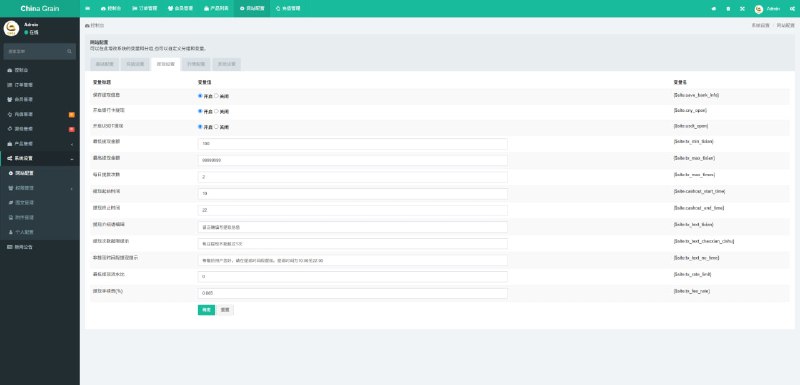
Enable RBAC in the admin panel—never let everyone be a super admin. Agents see only their own conversations, team leads can change ticket status, operations staff maintain the FAQ, and only developers touch Webhooks and API keys. For multi-language support, I used i18n dictionary files: Chinese, English, and Vietnamese copy each live in their own JSON file. The frontend guesses from browser language first, and once the user switches manually, the choice is saved to localStorage.

Customization and Launch: Small Steps, Never Rewrite
For customization, prioritize three things. First, rewrite the bot’s scripts to match the business’s actual terminology. Second, adapt the ticket state machine to the client’s existing workflow—Pending, In Progress, Awaiting User Confirmation, and Closed is plenty. Third, hook up WeCom or DingTalk notifications, with new tickets, overdue tickets, and low-rated conversations each routed to a dedicated bot group. Never modify the original database tables directly. I added two new tables, ext_ticket and ext_faq_log, which makes future source code upgrades far less risky.
Load testing doesn’t need to be fancy. I hammered the login and conversation list endpoints with wrk and simulated 200 concurrent incoming chats with a script. The first bottleneck showed up in MySQL slow queries. After adding a composite index on the ticket table’s status, assignee_id, and created_at columns, P95 latency dropped from 1.8 seconds to around 300 milliseconds.

Who This Is For
This setup fits teams with steadily growing inquiry volumes—e-commerce after-sales, SaaS product support, local service booking, and similar businesses. If you’re handling fewer than 50 conversations a day, skip the complex queue architecture; a single-server setup is enough. If you want something that works out of the box, check whether the source code has clean layering: controllers that aren’t bloated, a swappable bot engine, and configurable ticket states. Only talk about customization once those three boxes are ticked.
A compliance note as well: this system is intended only for lawful customer service and after-sales scenarios. Please comply with applicable laws and regulations, and do not use it for any non-compliant purpose.
FAQ
Q: What if the bot keeps giving irrelevant answers?
A: Don’t rush to add a model—clean up the FAQ first. Add synonyms, common typos, and colloquial phrasings as similar questions. Export and review missed questions daily; two weeks of this routine will pull your hit rate up.
Q: After human takeover, users still get bot replies. How do I prevent that?
A: Lock the conversation state. Once a chat enters the human queue, cancel the bot’s subscription immediately. When the agent sends their first message, write to the agent_takeover field, and have the bot check that field before responding.
Q: Will multi-language support double maintenance costs?
A: It will—if your copy is scattered throughout the code. Route everything through language packs: buttons, email templates, and ticket statuses should all be abstracted into keys. Adding a new language then means translating one JSON file, with zero logic changes.
Q: What’s the biggest risk in customization?
A: Modifying core tables and the core state machine directly. Use extension tables, event hooks, and config toggles for incremental changes. That way, upgrading the source code means merging only a handful of files, which keeps maintenance pressure low.
Disclaimer: This article is for technical education and demonstration only. It is not professional or financial advice. Any real-world deployment must comply with applicable laws and regulations.
#smart customer service #ticket system #auto-reply chatbot #deployment notes #custom development
-
 Alipay QR Code Scan
-
 WeChat Scan Pay