Random Number Demo Platform Build Log: Probability Simulation System Deployment and Data Collection Fix Notes
Random Number Demo Platform Build Log: Probability Simulation System Deployment and Data Collection Fix Notes
Disclaimer: This article is for technical education and demonstration only. It is not professional or financial advice. Any real-world deployment must comply with applicable laws and regulations.
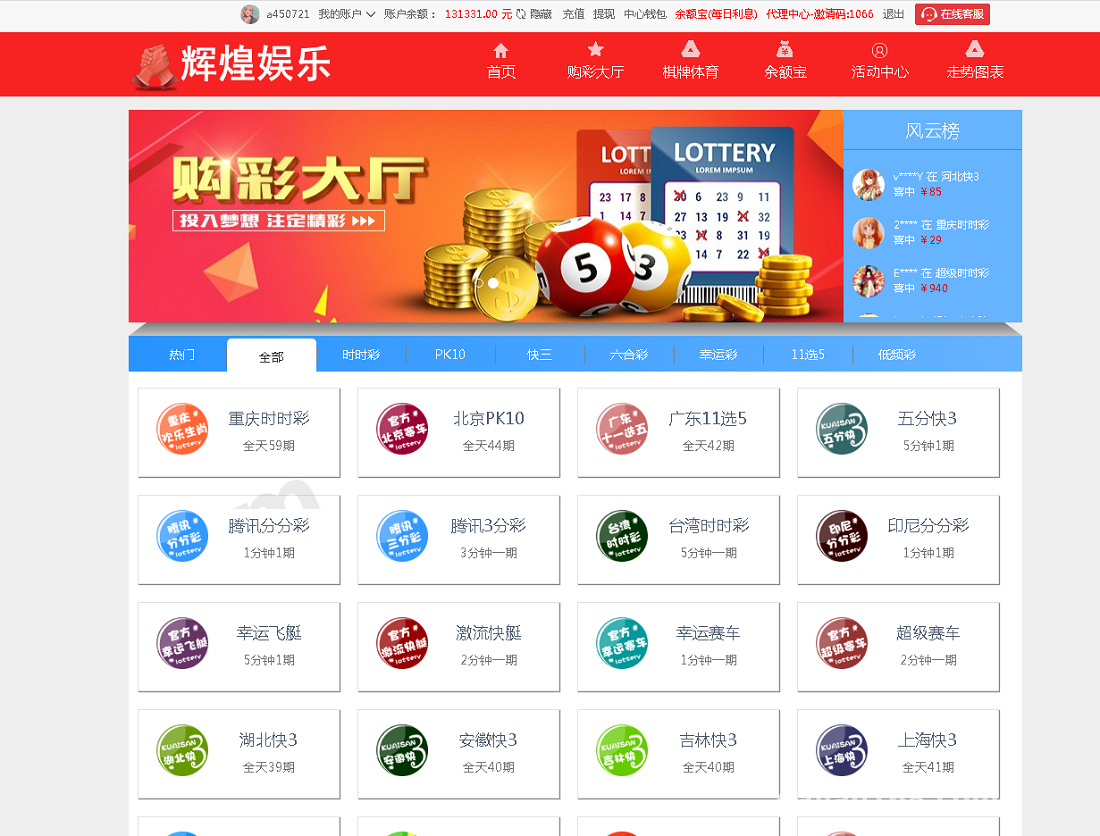
I recently helped a client who teaches data visualization deploy a random number demo platform — the version with the blue UI theme. At its core, this package is a probability simulation engine paired with modules like an account balance demo and a random-event card-flip simulation. It’s mainly used for probability teaching and data algorithm demonstrations. The whole job took me two days, and I hit a few snags along the way, so I’m writing this down for anyone who needs it.
First, the environment: Linux + Nginx + PHP 7.2 + MySQL 5.6. This source code is picky about the PHP version — I initially tried PHP 7.4 and got flooded with deprecated warnings, and things only behaved once I dropped back to 7.2. If you’re doing a one-click deploy with the aaPanel/BT panel, make sure to select the thinkphp rewrite rules, otherwise every admin route will throw a 404.
Hands-On Module Testing
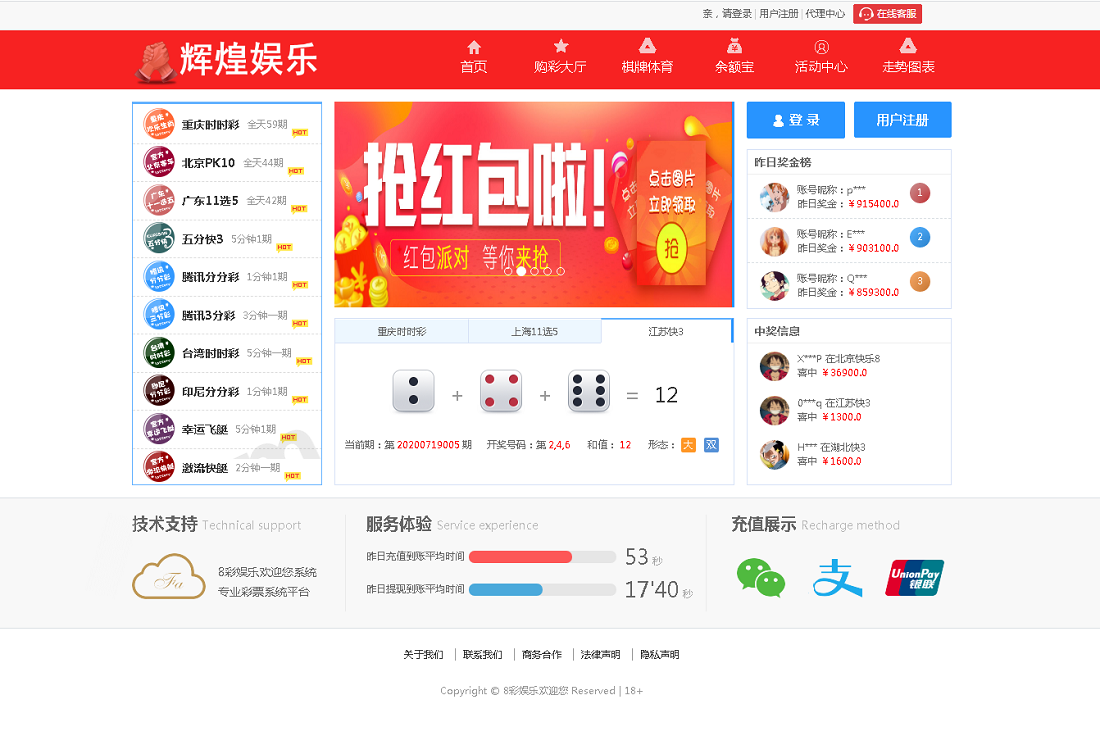
I focused my testing on the three core modules of this demo system, and overall the completeness is decent.
Probability Simulation Engine
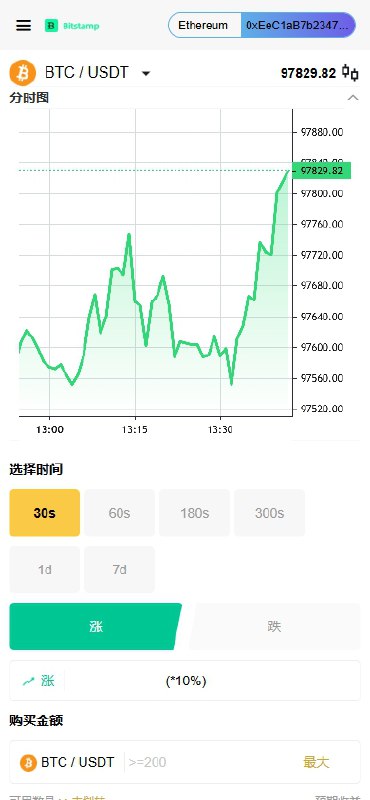
The core is a random number generation service. The frontend scrolls the generated results in real time, and the backend lets you configure the generation range and frequency parameters. Its main purpose is probability and statistics teaching — for example, demonstrating the law of large numbers: after tens of thousands of runs, the result distribution trends toward uniform. The engine uses PHP’s mt_rand under the hood. If you’re doing secondary development, I’d recommend swapping in random_int — the randomness is more rigorous and better suited for teaching demos.
Account Balance Demo Module
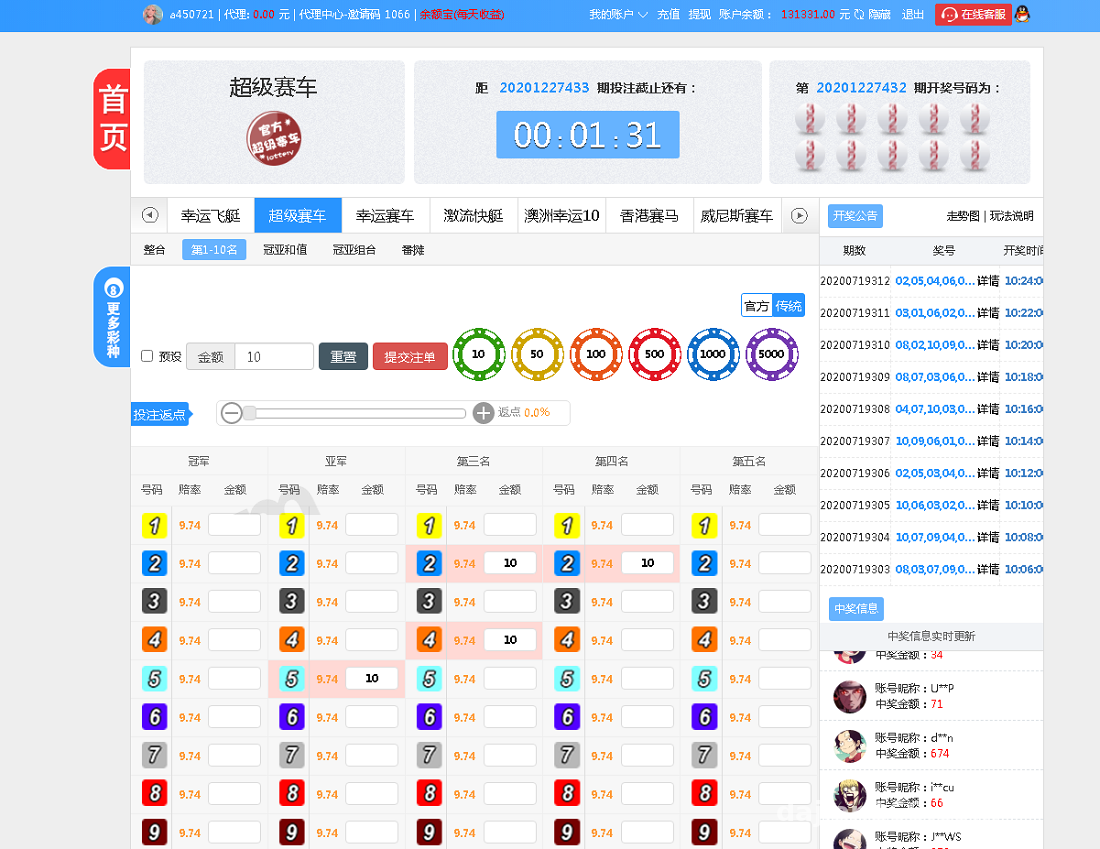
This module works like a virtual account system, simulating point deposit/withdrawal and earnings calculation logic, with an interface styled like an account page. Note that this is purely frontend demo data — it’s not connected to any real payment interface and exists only to showcase the interaction design of an account system. I tested the transaction history records and the earnings curve chart rendering. When the data volume hit the hundred-thousand level, the list page got sluggish, and it only ran smoothly after I added a composite index to the transaction table.
Random Event Card-Flip Demo
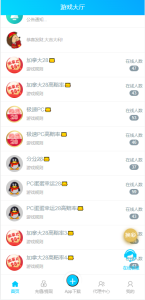
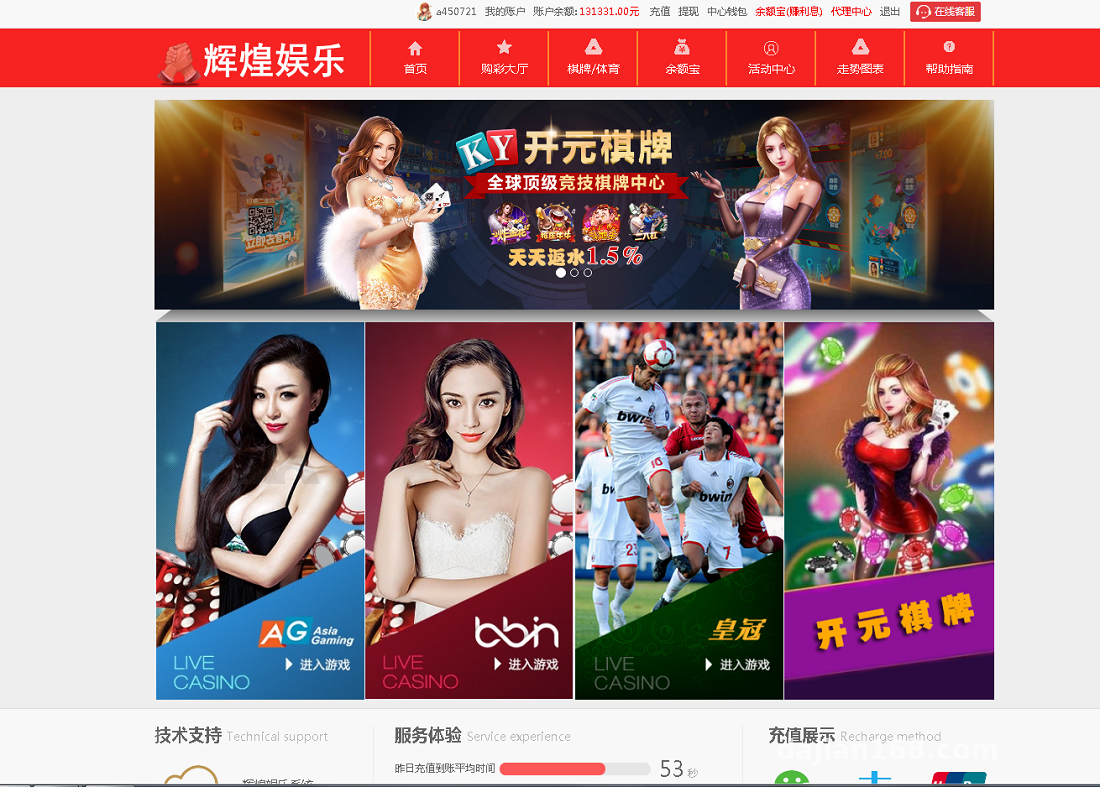
A card-flip style random event demo page — click a card and it reveals a random result. Underneath, it’s still calling the same random number service. The UI animations are quite smooth, making it a good interactive module to embed in a teaching site. All the logic here lives in the frontend JS, so if you want to tweak the animation effects, just edit the js files directly.
Deployment Essentials and Pitfalls
Data Collection Interface Fix
The source code ships with a public data collection module used to pull external public data for demonstration purposes. The original interface URL had gone dead — that’s the “collection fully repaired” issue mentioned in the title. My approach: I extracted the request class into its own file, rewrote the curl portion, added timeout control and failure retries, then hooked it up to a compliant public data API. One reminder here: any collection work must respect the target site’s robots protocol — only take publicly available data, and never touch content that requires a login.
Deployment tip: the database config file is at application/database.php — after importing the SQL, edit this file first before visiting the homepage. Also, change the default admin path immediately. Even a demo system shouldn’t run exposed; get the basic security right.
Admin Panel and Multi-Language Support
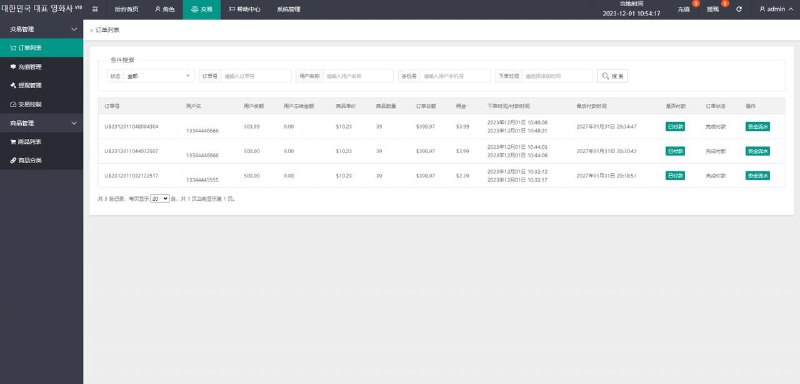
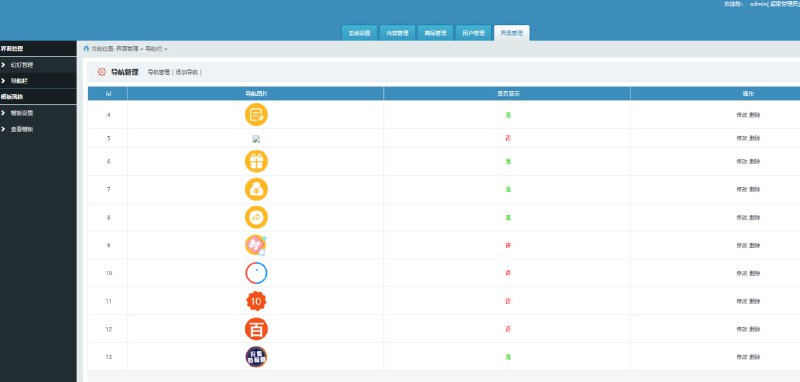
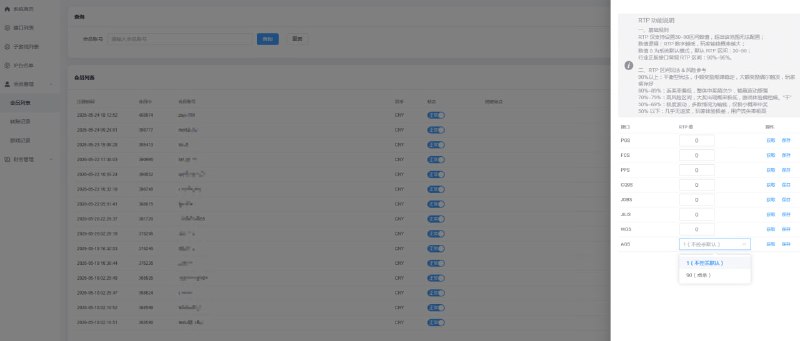
The admin panel uses a classic two-column layout with clear functional grouping: random number parameter configuration, account demo data management, collection task monitoring, and user permissions. The language packs support switching between Chinese and English — the files live in the lang directory, and you edit the corresponding arrays to change any copy. While I was at it, I pulled a few hardcoded Chinese strings into the language pack to make future maintenance easier for the client.
Secondary Development Suggestions
If you’re planning secondary development, focus on two areas. First, the random number service can be extended into a configurable distribution model — uniform and normal distributions are both easy to add. Second, the collection module’s scheduling currently relies on crontab triggering every minute; if your data volume grows, switch it to a queue mode with Redis as the task queue. After my refactor, CPU usage dropped by half.
Who This Is For
This source code suits three types of people: those building probability and statistics teaching websites, who can use it pretty much out of the box; those wanting to learn the ThinkPHP project structure — the code layering is fairly clean, so it makes a solid practice project; and those doing data visualization demos, since the balance curve and the scrolling random number components can be split out and reused independently. It’s not suitable for total beginners who have never touched PHP — you at least need to know how to configure an LNMP environment.
A word on compliance: this kind of probability demo source code may only be used for teaching, testing, and technical research purposes. This article is for technical education only. After deployment, please comply with applicable laws and regulations and do not use it for any unlawful purpose.
Frequently Asked Questions
Q: Can it run on PHP 7.4?
A: It runs, but I don’t recommend it — you’ll get a flood of compatibility warnings and some functions behave inconsistently. In my testing, PHP 7.2 is the most stable, and 7.3 is mostly fine too.
Q: What if the data collection module can’t pull any data?
A: First check whether the server can reach external networks, then look at the curl timeout settings. The original interface is dead, so you’ll need to rewrite the request class as described above, connect to a compliant public data source, and confirm the other party’s robots protocol allows it.
Q: Can the account demo module connect to real payments?
A: The source code itself contains no payment interface — it’s frontend demonstration only. If your business genuinely requires payment functionality, you’ll need to integrate a proper interface from a licensed payment channel yourself and make sure your business qualifications are complete.
Q: The page gets laggy once there’s a lot of transaction data — how do I fix it?
A: Add a composite index on the transaction table’s time field and user ID, and add paginated caching to the list page. If the data volume reaches the millions, consider sharding tables by month.
Disclaimer: This article is for technical education and demonstration only. It is not professional or financial advice. Any real-world deployment must comply with applicable laws and regulations.
#random number demo #probability simulation #data collection #source code deployment #PHP deployment
-
 Alipay QR Code Scan
-
 WeChat Scan Pay