Chuangyou Wanli Blue Edition Board Game Simulation Platform Setup Log: Game Lobby Deployment and Admin Panel Configuration Notes
Chuangyou Wanli Blue Edition Board Game Simulation Platform Setup Log: Game Lobby Deployment and Admin Panel Configuration Notes
Disclaimer: This article is for technical education and demonstration only. It is not professional or financial advice. Any real-world deployment must comply with applicable laws and regulations.
I recently helped a client deploy a Chuangyou Wanli Blue Edition board game simulation demo platform. It took two days of back-and-forth, so I’m writing down the pitfalls I ran into. This source code is a secondary-development upgrade of Chuangyou Wanli, with the lobby UI in a blue style. The interface genuinely looks different from common templates, and its feature completeness is high among similar demo projects. It suits game lobby technical demos or probability simulation teaching scenarios.
Feature Testing: What the Lobby and Game Modules Actually Do
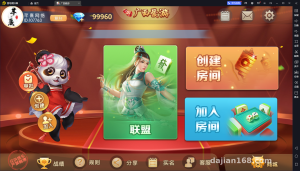
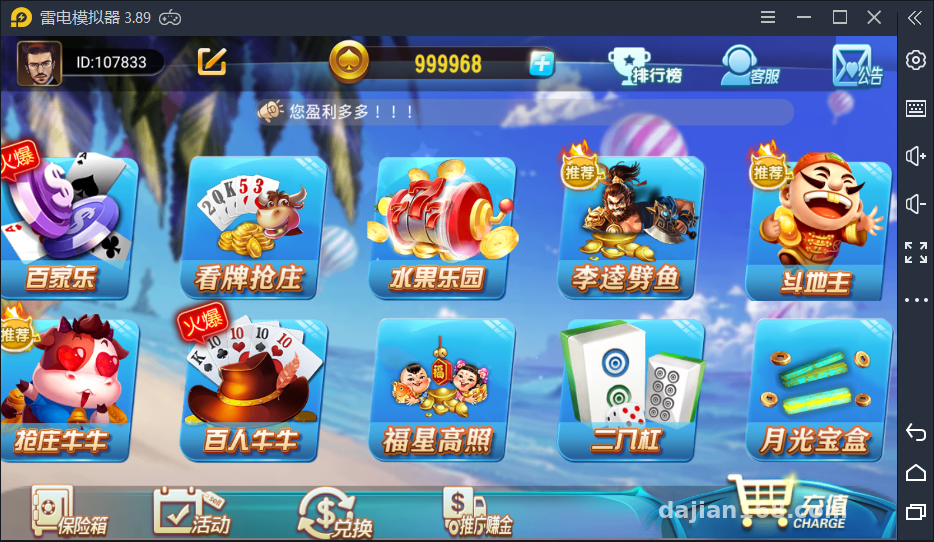
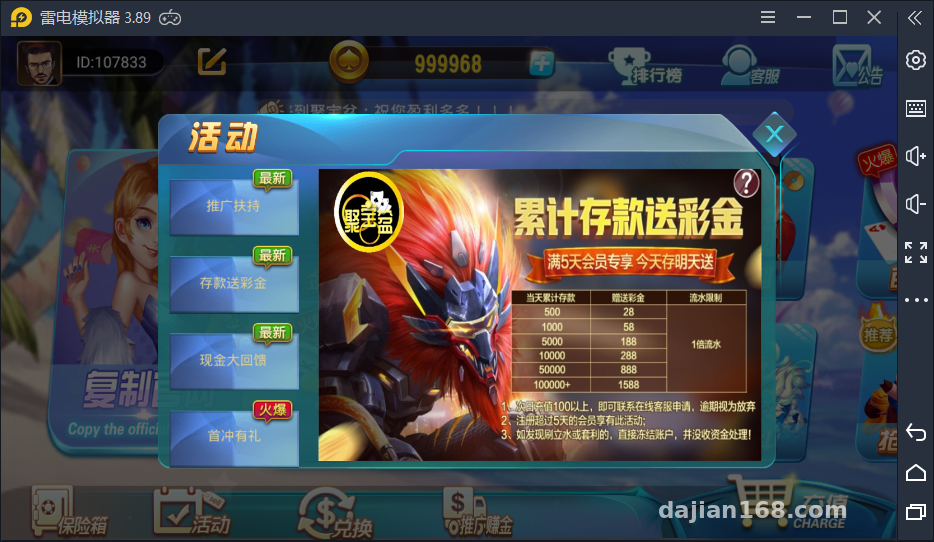
Bottom line up front: this isn’t a half-finished codebase. The game lobby, room logic, points settlement, and referral system all form a closed loop. The game categories include more than a dozen modules such as Golden Shark Silver Shark, Fishing Master, God of Fortune, Red-Black Battle, Dragon-Tiger Fight, Baccarat, Card Grab, Fruit Paradise, Li Kui Fish Splitting, Grab-Dealer Niu Niu, Hundred-Player Niu Niu, and Er-Ba Gang. All of them run on random-number demo logic, falling within the scope of probability simulation and card algorithm demonstrations.
A Few Implementation Details Worth Noting
1. Lobby framework: The client uses a unified lobby to load each game module. Modules are independent packages, so during secondary development you can swap out a single game without touching the whole lobby.
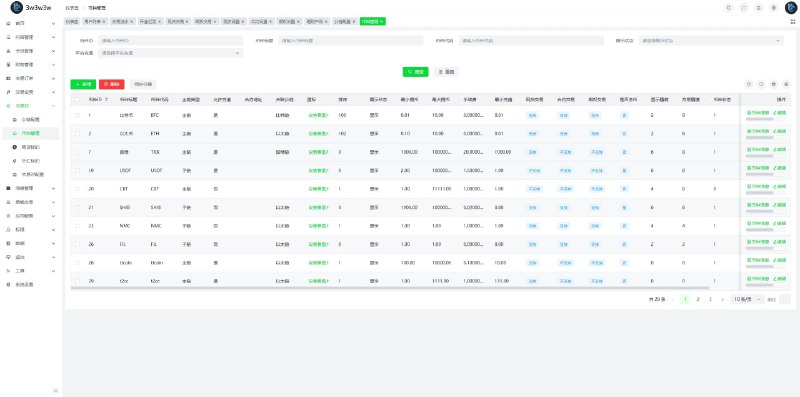
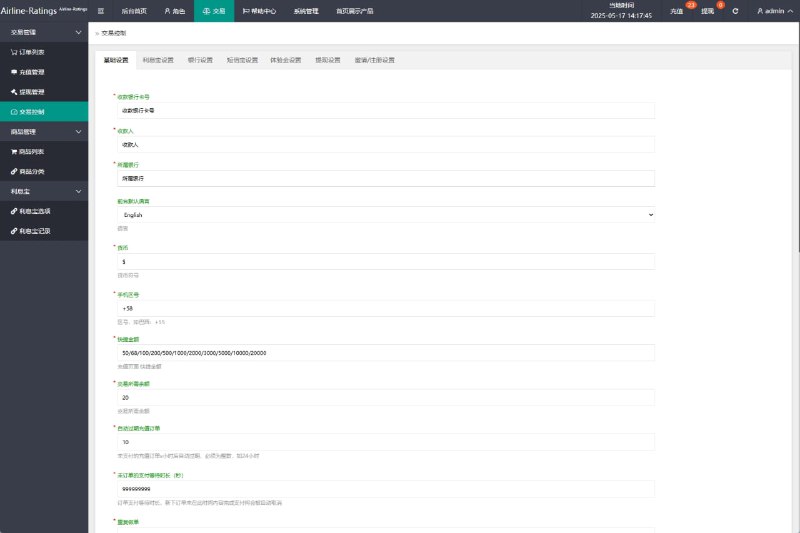
2. Admin panel controls: The admin backend (admin entry point) can configure room parameters, demo rebate ratios, and virtual points issuance, plus user management and data statistics reports. Market and settlement data are for simulated demo purposes only. During testing I adjusted the settlement probability parameters, and the logs fully tracked every random-number generation record — very useful for algorithm demos.
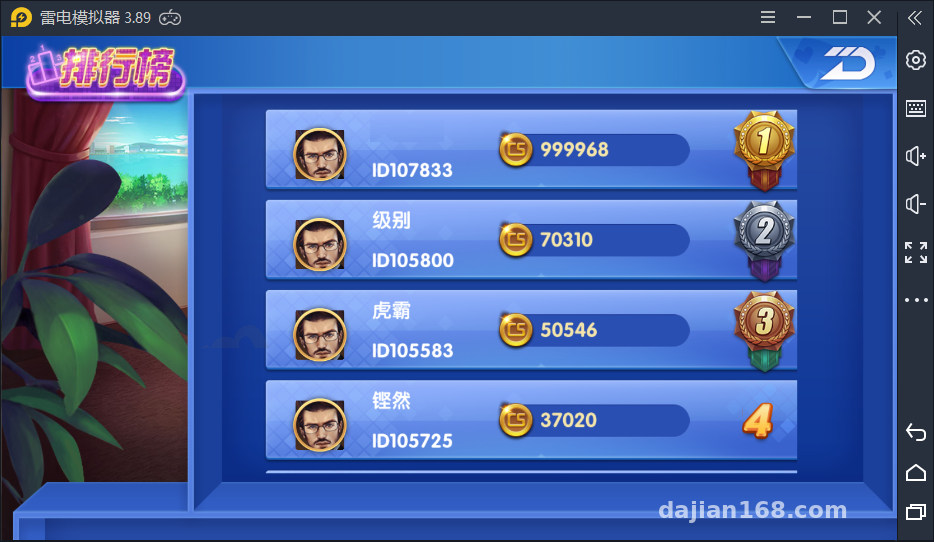
3. Community referral system: It comes with a multi-level referral chain and a complete invitation-code mechanism, suitable for technical research into distribution logic. In my testing, the invitation binding had no bugs, and commission settlement uses demo points with no real money involved.
Deployment Essentials: My Environment and the Pitfalls I Hit
My deployment environment: CentOS 7.9 + BaoTa panel, PHP 7.4 + MySQL 5.7. Redis is mandatory — the lobby’s room states and online lists rely entirely on Redis caching.
Key Steps Recorded
1. After importing the database, remember to update the connection info in the config. The database settings are scattered across two or three files in this codebase; miss one and you’ll get a database connection failure.
2. The rewrite rules must be configured, otherwise all game module routes return 404. Choosing the ThinkPHP rules in BaoTa usually works in one go.
3. Communication ports must be opened in the security group — the game lobby and node services communicate over persistent socket connections. On my first deployment I forgot to open the port, and the lobby kept showing “connecting to service.” It took me half an hour of troubleshooting to figure it out.
4. For the payment interface, the source code reserves a standard payment gateway integration reel simulation. For a demo environment, I recommend using the backend’s simulated top-up channel directly instead of connecting real payments — it saves trouble and keeps things compliant.

Highlight tip: The random-number demo module in this codebase comes with full log replay. When doing probability algorithm teaching or secondary-development verification, you can pull up the parameter records of every round directly from the admin panel — debugging efficiency is noticeably higher than similar codebases.
Secondary Development and Multi-Language Support: How Extensible Is It?
The source code follows a standard MVC layered structure. The frontend lobby has a separate skin directory, so changing the blue theme to another color scheme only requires touching CSS variables and a few image assets. On the multi-language side, language packs are standalone files. When the client asked for an English interface, I went through the language directory — the term coverage is quite thorough. The translation workload is large, but the structure is clear.
Secondary development tip: to add a new game module, copying the structure of an existing fishing-type module is the fastest approach. The protocol layer uses a unified JSON format, and server-side logic and client rendering are cleanly separated.
Who Is It For?
1. Developers who want to study card probability simulation algorithms and random-number demo logic;
2. Technical teams that need a complete game lobby framework for secondary development practice;
3. Site owners building gamified marketing systems or points-based task platforms who want a reference for lobby interaction design.
It’s not suitable for complete beginners to launch directly — the admin panel has many parameters, and it’s easy to misconfigure without reading the documentation.
Frequently Asked Questions
Q: What server specs does this codebase need?
A: For a demo environment, 2 cores and 4GB RAM is enough. If you want to run multiple game node services, start with 4 cores and 8GB, and deploying Redis and MySQL separately is more stable.
Q: Can the game lobby UI be replaced with my own design?
A: Yes. The lobby skin is a standalone directory, so swapping colors and assets doesn’t affect the underlying logic. I once made a green-themed version and finished it in half a day.
Q: Does the referral system settle in real money?
A: No. The codebase uses a demo points system — all rebates and settlements are virtual values within the platform, used only for feature demonstration and technical research.
Q: What if I can’t enter the lobby after deployment?
A: Nine times out of ten it’s an unopened port or missing rewrite rules. Check the security group first, then the ThinkPHP routing rules, and finally confirm the Redis service is running.
One final reminder: this codebase is intended solely for technical learning, feature demonstration, and lawful secondary development research. Deployment and use must comply with applicable laws and regulations, and any unlawful use is prohibited.
Disclaimer: This article is for technical education and demonstration only. It is not professional or financial advice. Any real-world deployment must comply with applicable laws and regulations.
#Source Code Setup #Game Lobby #Deployment Notes #Board Game Simulation #Secondary Development Log
-
 Alipay QR Code Scan
-
 WeChat Scan Pay