ThinkPHP 5 Multi-Room Number Data System Source Code: Architecture Breakdown for Security Researchers
This ThinkPHP 5 + MySQL source code download implements a multi-room number data polling and settlement platform with three separate ends: a player front end, a robot room-control back end, and a master admin panel. It covers roughly 8 data modules (flip-card rooms, two-sided rooms, time-based data, PK10-style data, PC28-style data, Mark Six data, three-zone data, and card game data). Distributed on dajian168 under the Communication Systems category, it is intended strictly for educational research — understanding how polling daemons, settlement guards, and CAS-based fund operations are engineered in a legacy PHP stack.
Three Resident Daemons Are the Core of This Architecture
When I deployed this locally, the most interesting part was the three long-running processes: php think test (multi-module data collection), open (per-module settlement with gap recovery), and auto (robot automation, gated per room by an enable flag). In testing I found that if the collection daemon dies, the system health dashboard in the master admin shows heartbeat status plus the latest period number and unsettled backlog for each module — a genuinely useful observability touch.
- Collection guard: polls upstream data feeds continuously; historical re-draw and re-settlement are supported from the admin panel.
- Settlement guard: settlement runs per data module and can recover missed periods after a crash.
- Automation guard: command, amount, and per-period limits are configurable; it auto-tops up when a balance runs short.
Actionable takeaway: before studying the daemon code, check game_room table isolation — each room carries its own odds, rebate, close-seconds, and bet limits, so a misconfigured room does not leak into others.
Fund Safety Design: CAS Preemption and Idempotent Bets
The settlement path uses CAS (compare-and-swap) preemption on modify/void/payout operations to prevent double payouts — worth reading even if you ignore the rest. The player front end adds bet idempotency plus close-period validation, and there is a login rate limiter and an operation audit log in the admin panel. There is also a blacklist module and top-up review workflow on the robot side.
| Component | Role | Notable Detail |
|---|---|---|
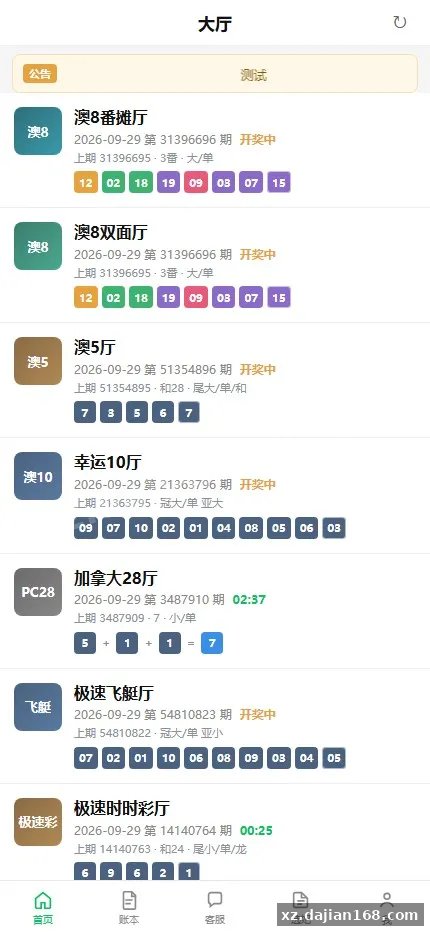
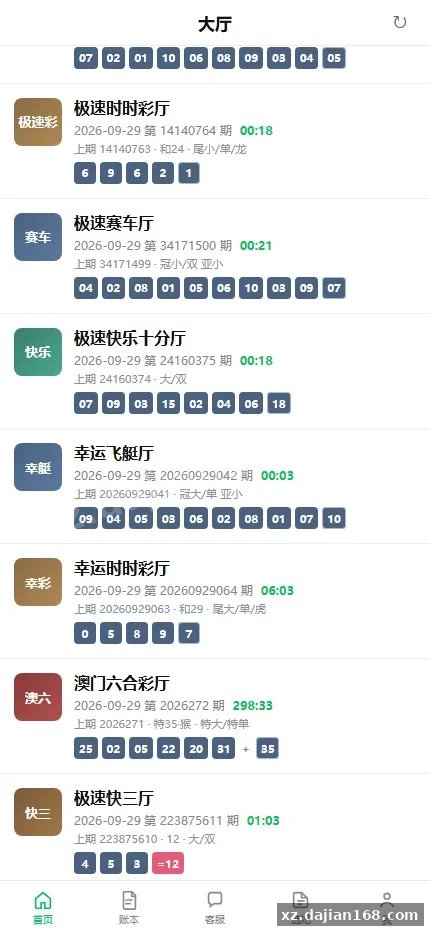
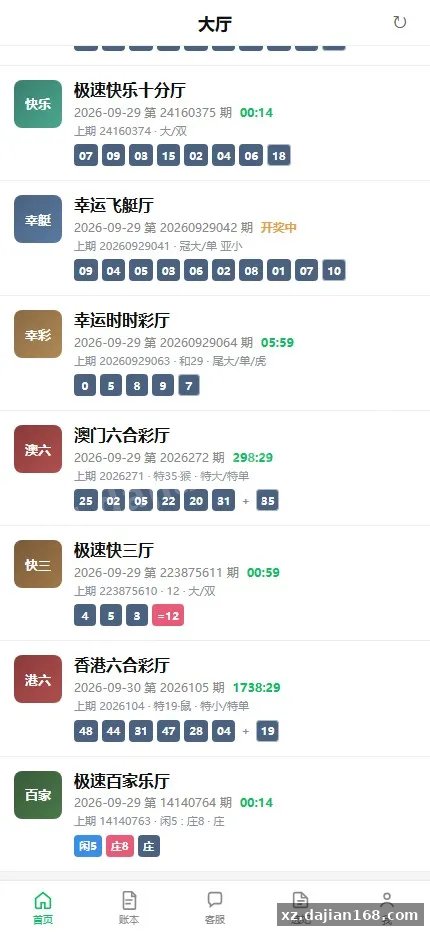
| Player front end | Login, hall, chat-room bets | Image-capable support chat, pinned notices, marquee announcements |
| Robot back end | Per-room control | Modify/void bets, profit-loss per period, alerts |
| Master admin | Global oversight | Health dashboard, statistics, agent-managed sessions |
Takeaway for reviewers: trace the CAS lock implementation in the payout controller — it is a good reference pattern for any PHP system handling concurrent balance writes.
Deployment: 5 Steps on Linux, PHP 7.x + MySQL 5.7
The package ships with a full SQL dump and a Linux deployment tutorial; expect about 5 steps end to end.
- Provision PHP 7.x with MySQL 5.7; import the included SQL file.
- Configure the database in the ThinkPHP 5 config file.
- Set web root to
public/and enable rewrite for the entry file. - Start the three resident daemons via supervisor or nohup.
- Verify the health dashboard shows collection/settlement/automation heartbeats green.
One pitfall: I found the automation daemon only acts inside rooms where the room-level enable flag is on — leave it off everywhere while testing, or it will place simulated orders against live data feeds.
FAQ
Q: Can this ThinkPHP source code be extended to add a new data module?
A: Yes. The codebase is structured with independent tables per module (support chat, companion-selection, and rooms are separate schemas), and the settlement guard is written per-module, so adding a module means adding a poller, a settlement rule, and a room config row.
Q: What environment does this source code download require?
A: PHP 7.x with ThinkPHP 5, MySQL 5.7, and a Linux host able to run three persistent CLI processes. A full SQL file and deployment guide are included.
Q: Is the multi-room isolation real or just UI-level?
A: It is data-level. Odds, rebate, close timing, and bet limits are stored per row in the game_room table, and the robot back end switches context per room, so settings do not cross rooms.
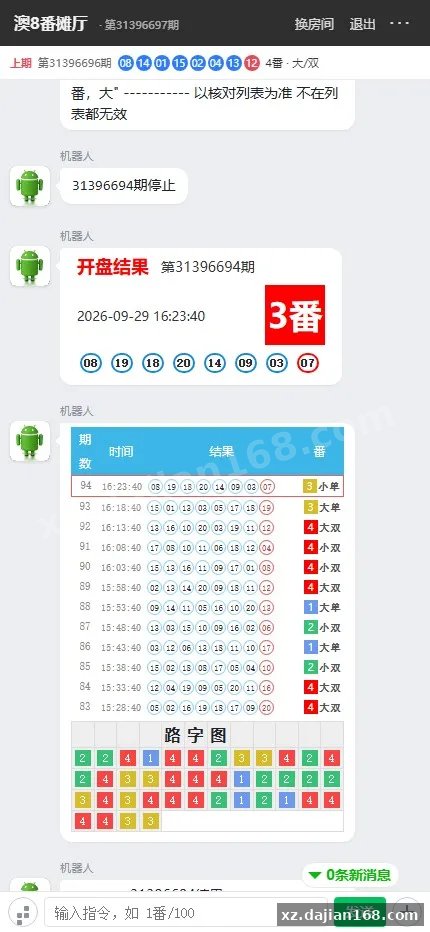
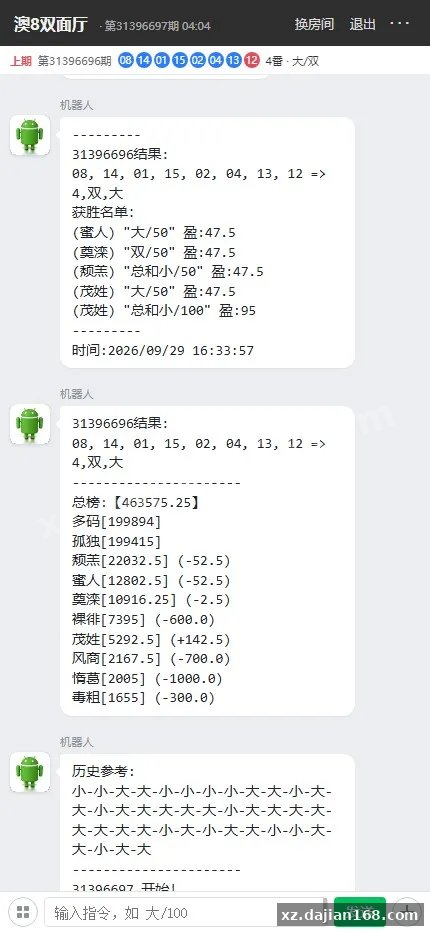
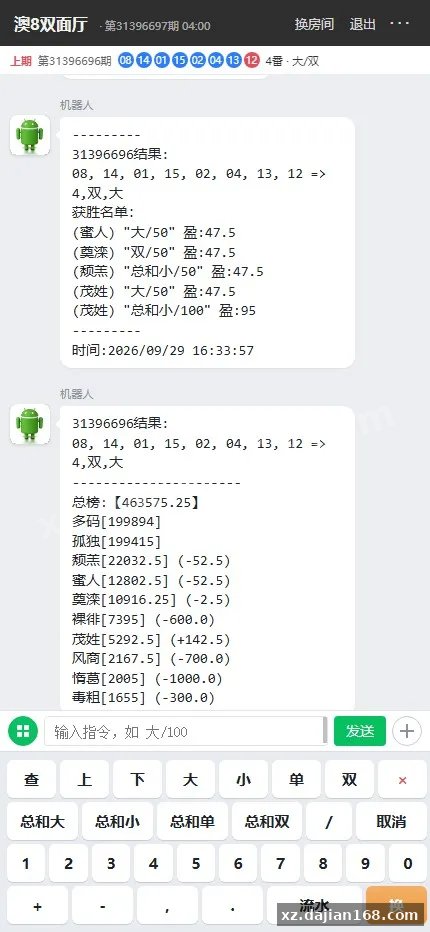
System Interface Screenshots

Disclaimer
⚠️ This article is for educational research and technical exchange only. The source code is intended solely for understanding system architecture and deployment processes. Do not use it for illegal purposes. Any commercial operation is unrelated to the author.