Wanghu Secondary Development Room Voucher System Setup Guide: Hakka Card Simulation and Admin Backend Deployment Notes
Wanghu Secondary Development Room Voucher System Setup Guide: Hakka Card Simulation and Admin Backend Deployment Notes
Disclaimer: This article is for technical education and demonstration only. It is not professional or financial advice. Any real-world deployment must comply with applicable laws and regulations.
Recently I helped a friend working on a regional tabletop game simulation demo project deploy a room voucher system built on Wanghu secondary development. It’s a gameplay variant from the Hunan region, bundled with Hakka card simulation and a Shengzhu-style component. Honestly, these niche regional variants aren’t something I handle often, and it took me two days to get everything running smoothly. Here’s my write-up for anyone who might need it.
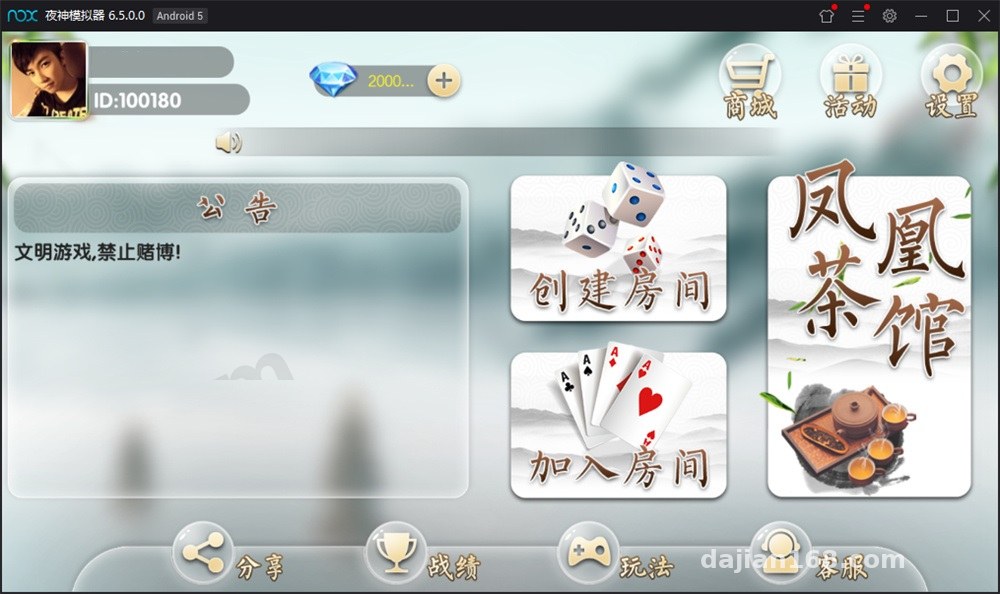
First impressions: the UI style is clean and minimal, not the flashy kind. When I received the package, it contained four parts — the server, database scripts, component DLLs, and an admin backend. The structure was reasonably clear.
Feature Testing: What This Component Set Actually Offers
Room Voucher Mechanism
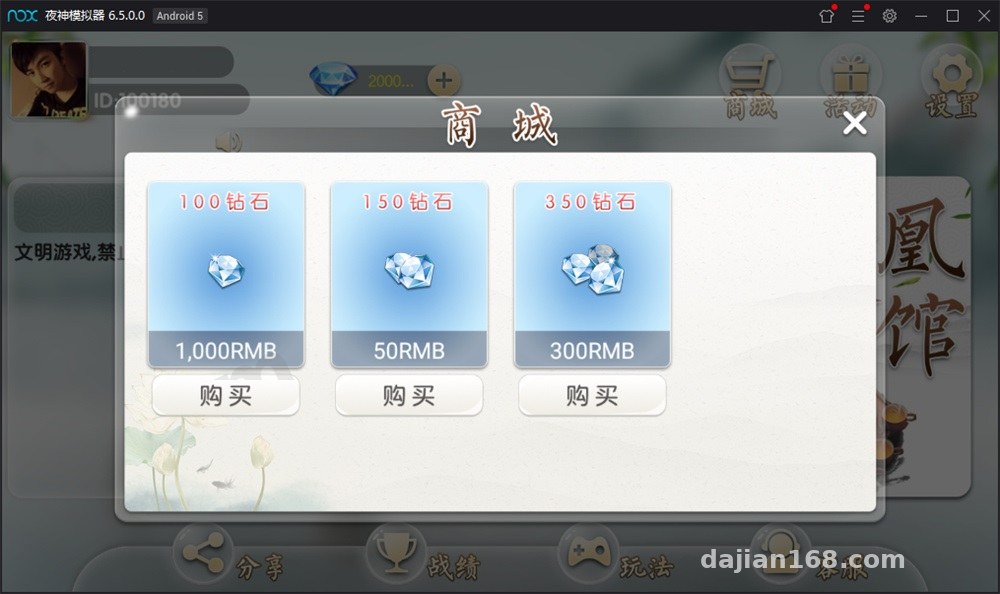
The core of this system is the room voucher model. Players consume vouchers when entering a room, and they’re returned after settlement. The backend lets you configure the voucher cost per table and the room owner’s commission percentage. In my testing, the voucher generation and recycling logic worked correctly — I ran over a dozen demo rounds in a test environment and the transaction records all reconciled.
Card Simulation Components
The Hakka card simulation and the Shengzhu-style component are two independent modules, each with its own DLL and configuration file. The game logic is a probability-based simulation demo, with the random number seed configured on the server side. I took a close look at the dealing algorithm — it’s a standard shuffle function with no signs of backdoors (though of course you should audit the source code yourself rather than judging by appearances).
Admin Backend
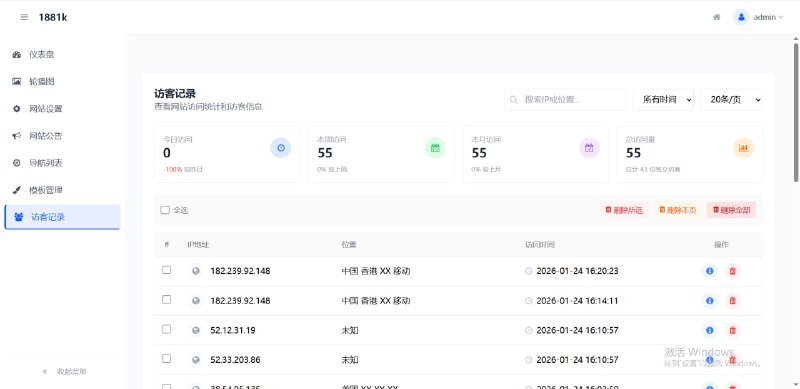
The backend is fairly complete: member management, room configuration, voucher issuance and recycling, log queries, and bot parameters. You can set the number of bots and their difficulty levels, which is handy for filling tables in a test environment. The logging is decent — every round gets recorded, and it saved me a lot of time when troubleshooting.

Deployment Essentials: Pitfalls I Hit
Environment Requirements
Windows Server 2012 or above, SQL Server 2008 R2, and the components depend on the VC++ runtime — you need both the 32-bit and 64-bit versions installed. On my first attempt I skipped the 32-bit runtime, and the server threw an error on startup. It took me nearly an hour to figure that out.
Database Restoration
Pay attention to the collation when restoring the database. This package uses Chinese_PRC_CI_AS, and if your server’s default collation differs, you’ll run into table creation failures or garbled characters. I recommend manually specifying the collation when creating the new database, then restoring.
Component Registration
Both card components need to be registered with regsvr32, run as administrator. After registration, double-check that the component paths in the server config file match. I once hit a case where a path containing Chinese characters caused a load failure — switching to a pure English path fixed it.
Ports and Firewall
The server opens ports 8000 through 8010 by default, so remember to allow them in your cloud server’s security group. Also, change the default admin backend port — even though it’s just a demo environment, exposing it to the public internet is never a good idea.
Secondary Development Suggestions
The source code follows the classic Wanghu architecture, with logic and presentation layers separated. The difficulty of secondary development is moderate. To modify a regional gameplay variant, you’d mainly touch three areas: the card pattern evaluation module, the points/voucher settlement logic, and the frontend assets. The frontend images are packed resource files — when replacing them, keep the naming and dimensions consistent, or you’ll get cropping issues.
If you want to differentiate, you can add custom rule parameters to the room configuration, such as round limits or tiered voucher costs. The backend table schema already has reserved fields for these, so the changes aren’t too painful.
Note: Any system deployment must comply with applicable laws and regulations. Illegal or unauthorized use is strictly prohibited. This is recommended only for technical learning, feature demonstration, and secondary development research.
FAQ
Q: Can it be deployed without source code?
A: This is a complete source package — the components ship as DLLs but the logic source code is included. I’d suggest making a full backup first, running it locally end to end, and only then moving it to a server.
Q: Is mobile supported?
A: This package is primarily a PC client architecture; H5 adaptation requires secondary development. If you want a mobile version, you’d rebuild the presentation layer with Cocos or H5, while the server protocol can largely be reused.
Q: How is multi-language support handled?
A: By default it’s Simplified Chinese only. The language resources live in separate text files, so adding multi-language support means translating those files and adjusting the UI layout — most of the work is in fonts and typography.
Q: What specs does a test environment need?
A: A 4-core, 8GB cloud instance is enough to run the demo, with the database and game server on the same machine. For a production demo environment, I’d recommend a dedicated database server — once log volume grows, co-locating them will slow down response times.
Overall, this package is well put together, and the fidelity of the regional gameplay variant is its selling point. It suits anyone looking to study the Wanghu architecture or build regional tabletop simulation demos. Nail down the environment dependencies before deploying, and you’ll save yourself half the headaches.
Disclaimer: This article is for technical education and demonstration only. It is not professional or financial advice. Any real-world deployment must comply with applicable laws and regulations.
#Wanghu Secondary Development #Room Voucher System #Hakka Card Simulation #Source Code Setup #Deployment Notes
-
 Alipay QR Code Scan
-
 WeChat Scan Pay