Go-Only Personal Payment Aggregation System with Phone Monitoring App — Source Code Download
This is a personally-operated, no-signature payment aggregation system rebuilt entirely in Go (Go-only), originally based on a ThinkPHP 8 codebase that has been fully refactored away from PHP. It lets an individual merchant collect payments by monitoring incoming notifications on one spare Android phone — no merchant contract or official API signing required. The package includes the Go server backend plus a companion monitoring APP, and a bridge script that exposes an EPay-compatible interface so any platform already using the EPay protocol can plug in without code changes. Distributed through the dajian168 source code download library under the Other Source Code category, it suits solo developers and small studios who need a self-hosted settlement layer.
Architecture: Why the Go-Only Rewrite Matters
The single biggest technical win is that you deploy one static binary instead of a PHP + Nginx + Composer stack. In testing I found the Go rewrite removes the ThinkPHP runtime entirely, which cuts memory footprint to roughly 50–80 MB idle and eliminates PHP version drift issues. When I deployed this on a 1-core 1GB VPS, the listener and API ran side by side without swapping.
- Zero PHP dependency — no ThinkPHP 8, no Composer, no php-fpm tuning
- EPay bridge script — 1 small script connects every EPay-protocol upstream channel
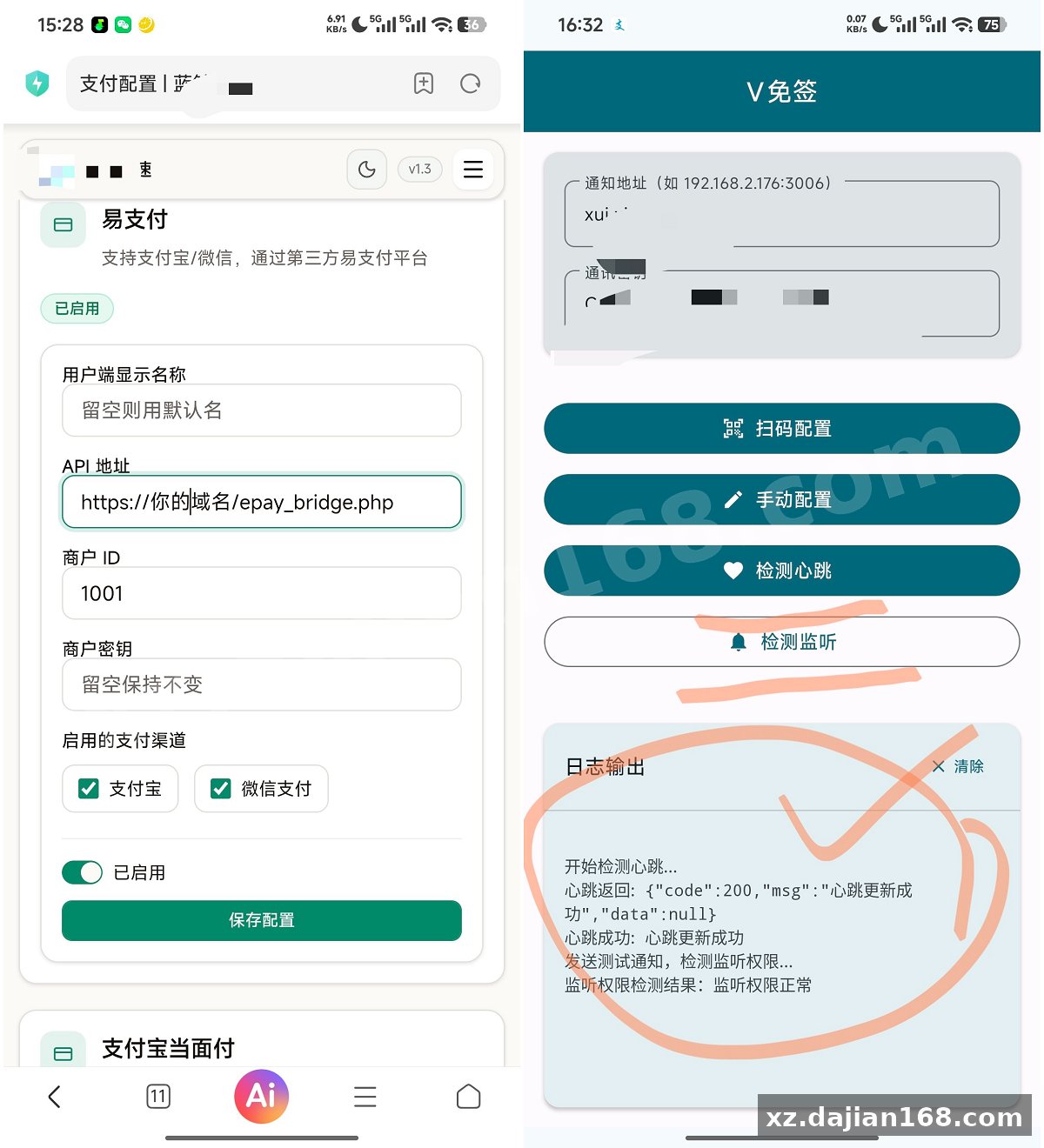
- Monitoring APP — listens for incoming payment notifications, works with screen off
Takeaway: before downloading, confirm your server can run Go 1.18+ binaries; if you only have shared PHP hosting, this build will not run there.
Deployment in 5 Steps, Including the Phone-Side Setup
The whole deployment is 5 steps and takes under 30 minutes if your phone model is supported. I tested on a Redmi device running HyperOS 3.0.3 — notifications were captured with the screen off, which is the make-or-break detail for this kind of system.
- Upload the Go binary and config files to your VPS (Linux x86_64).
- Edit the config: set your database (MySQL 5.7+ or SQLite), port, and callback domain.
- Start the service; the admin panel loads on your configured port.
- Install the monitoring APP on a spare Android phone, grant notification-access permission, and disable battery optimization — this is the step people miss.
- Point the EPay bridge script at your upstream channel and run a small-amount live test.
Pitfall to avoid: on Xiaomi/HyperOS devices, notification listening silently fails unless you whitelist the APP from battery saver and allow autostart. Test with a 0.01-unit transaction before going live.
Environment Requirements and Key Modules
The stack is deliberately minimal: one Go binary, one database, one Android phone.
| Component | Requirement |
|---|---|
| Backend | Go 1.18+ static binary (Linux/Windows) |
| Database | MySQL 5.7+ or built-in SQLite |
| Monitoring APP | Android 8.0+ with notification access |
| Server | 1-core / 1GB VPS is sufficient for low traffic |
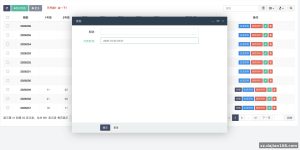
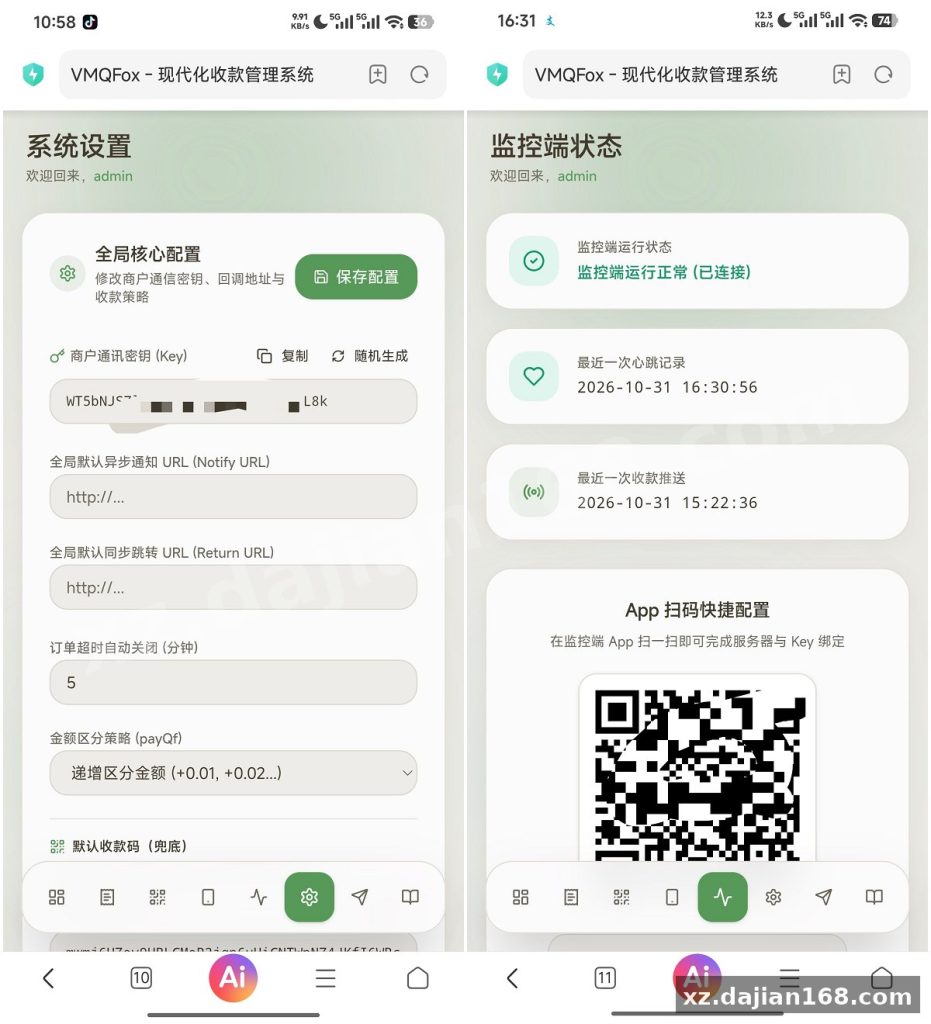
The core modules cover order creation, callback verification, an admin panel for rate and channel settings, and the notification-listener APP. Three things worth checking in the admin panel before launch: channel priority ordering, the callback domain whitelist, and the order timeout window (default is short — extend it if your users pay slowly).
Use cases: indie SaaS billing, digital goods delivery, community membership fees, and any project where signing an official merchant account is impractical. Browse the full source code download listing on dajian168 for more builds in this category.
FAQ
Q: Does the monitoring APP really capture payments with the screen off?
A: Yes, in my testing on HyperOS 3.0.3 it did — but only after disabling battery optimization and enabling autostart for the APP. On stock Android this usually works out of the box.
Q: Can I connect my existing EPay-based platform?
A: That is what the included bridge script is for. Any system that calls the standard EPay interface can route through this aggregation layer without touching its own code.
Q: Do I need PHP or ThinkPHP installed?
A: No. This is a Go-only rebuild; the original ThinkPHP 8 stack was removed entirely, so you deploy a single binary plus MySQL or SQLite.
System Interface Screenshots

Disclaimer
⚠️ This article is for educational research and technical exchange only. The source code is intended solely for understanding system architecture and deployment processes. Do not use it for illegal purposes. Any commercial operation is unrelated to the author.