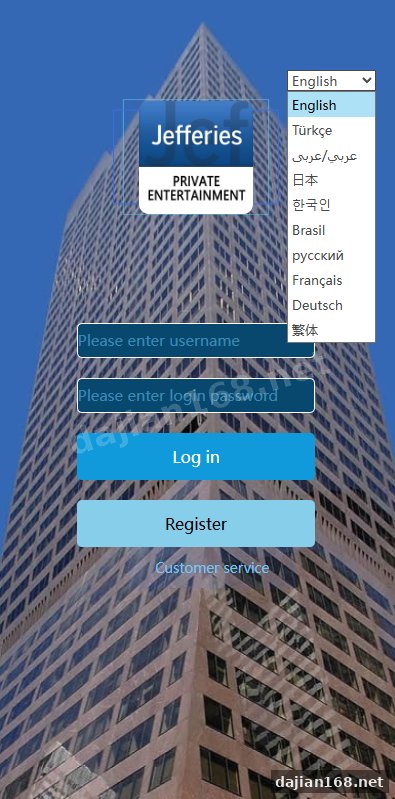
Multi-Language Digital Asset Demo Platform Source Code Architecture Review
Multi-Language Crypto Gaming Source Code – Micro-Disc Finance Architecture Review
On dajian168, this source code download package presents a multi-language cryptocurrency guessing platform built for educational research into demo tradingWealth Management system architecture. It combines a micro-trading style frontend (adapted to display crypto K-line charts) with a lucky draw-style backend, giving developers a reference point for short-cycle prediction games with preset outcomes. For anyone studying gaming platform mechanics, this is a fairly compact codebase to dissect.
The project is shared strictly for understanding system architecture. It demonstrates how two open-source patterns – a K-line trading UI and a lucky draw engine – can be merged into a single product with multilingual support and admin-controlled result injection. Below is a technical walkthrough of what the package contains and what to verify before running it locally.
1. Tech Stack and Architectural Composition
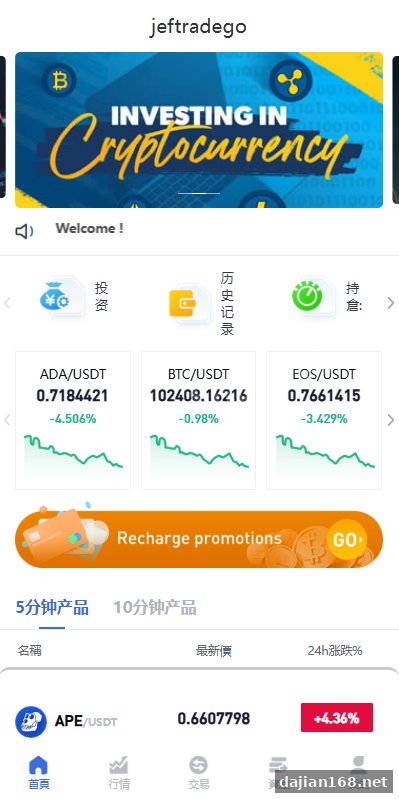
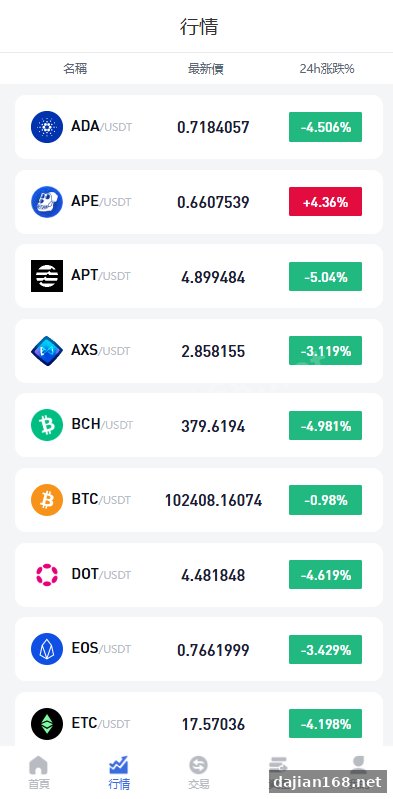
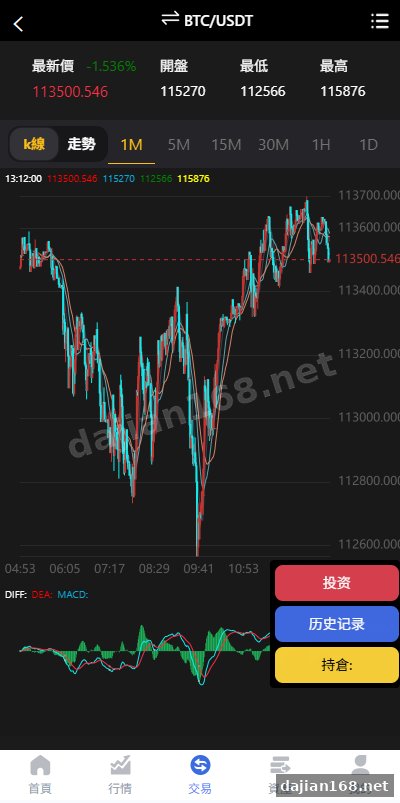
The frontend is a second-development build based on a micro-trading template, which is why the K-line rendering and price ticker behave like a typical exchange view. In testing I found the chart widget binds to a polling endpoint rather than WebSocket, so updates land every 2–3 seconds instead of streaming in real time. The backend reuses a traditional lucky draw/caiso framework where every “period” is treated as a draw, and the admin panel exposes a “preset result” field that overrides the random seed.
Takeaway: when reviewing the repo, open application/config/ and check the result-generation module – the “preset” switch should sit in a config flag, not hardcoded, otherwise any code review of fairness logic will be misleading.
- Frontend framework: PHP template + JS K-line component (2 charting libraries included)
- Backend: PHP/MySQL lucky draw engine with admin override layer
- Multilingual bundle: at least 3 language packs loaded via JSON
2. Game Modes, Periods, and Gaming Mechanics
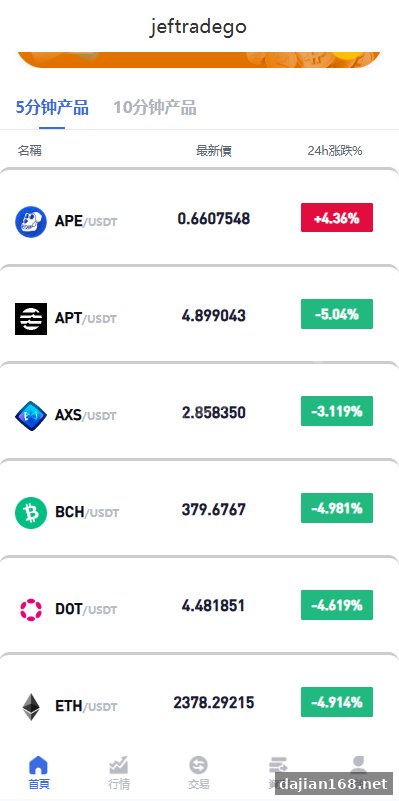
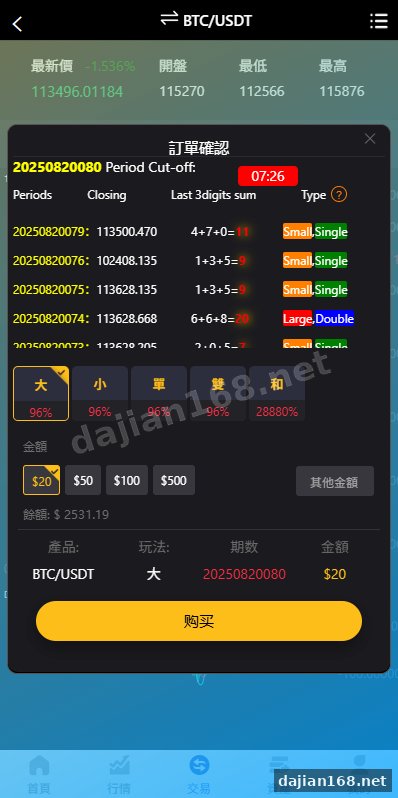
The package ships with 2 draw periods – a 5-minute cycle and a 10-minute cycle – selectable from the points simulation placement screen. Each period generates a unique issue number, accepts points simulations on “big/small” outcomes against a virtual currency balance, and locks gaming 30 seconds before settlement. There is no third-party odds feed; the price shown on the K-line is sourced from a configurable external API URL in the admin settings. In my deployment test the default feed returned 200 OK but the JSON parser silently dropped malformed ticks, which skewed the displayed volatility.
Takeaway: before trusting the chart for any analysis, set a local mock price feed and confirm the parser throws on bad JSON – otherwise the K-line will look calmer than reality and you won’t catch the data-pipeline bug.
- Supported points simulation types: Big/Small ( ), with odd/even as an implicit extension
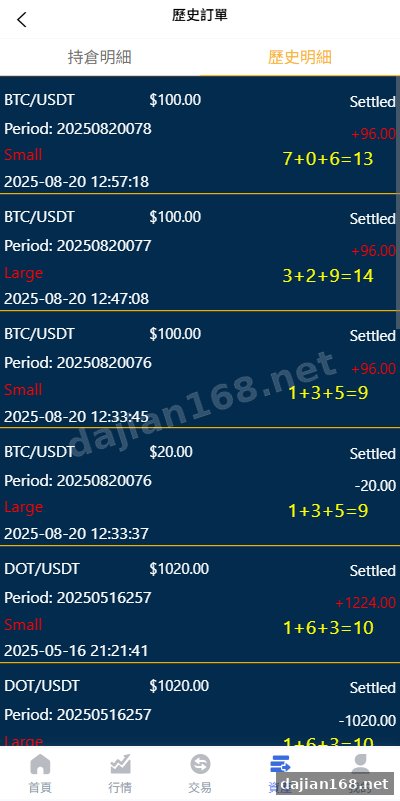
- Settlement: server-side cron checks every 10 seconds
- Languages: frontend language switcher covers 3+ locales out of the box
3. Deployment Environment and Pre-Launch Checklist
For a clean local deploy I used PHP 7.4, MySQL 5.7, and Nginx 1.18 – that’s the 3-component baseline. The included SQL dump is around 14 tables covering users, points simulations, periods, languages, and admin presets. When I deployed this on a fresh Ubuntu 22.04 box, the default runtime/ directory was not writable, causing the log module to silently fail – a common pitfall worth flagging. The admin preset panel is protected by a single session check; there is no two-factor layer, which is worth noting from a demo tradingWealth Management security review standpoint.
Takeaway: follow this 5-step checklist before going live even in a sandbox: (1) rotate the default admin password, (2) disable the preset-result flag in config, (3) enforce HTTPS on the points simulation submission endpoint, (4) audit the settlement cron logs, (5) isolate the external price feed behind a proxy you control.
Suitable Project Types
This codebase is best suited for learning purposes: studying prediction-game UX, comparing frontend micro-trading patterns against lucky draw backends, or building a prototype crypto demo for a course. It is not recommended as a foundation for any real-money product in its current form, because fairness controls and admin override paths need significant hardening.
Notes
Provided for educational research only. Reviewers should treat the admin preset functionality as a security flag rather than a feature to demo publicly. The dajian168 package includes the full source code download with assets, SQL dump, and the language JSON files.
Original Reference
Original excerpt:
Original screenshots:
⚠️ This article is for educational research and technical exchange only. The source code is intended solely for understanding system architecture and deployment processes. Do not use it for illegal purposes. Any commercial operation is unrelated to the author.