Building a Multilingual Probability Simulation System: Deployment Notes for a Points Demo Platform
Building a Multilingual Probability Simulation System: Deployment Notes for a Points Demo Platform
Disclaimer: This article is for technical education and demonstration only. It is not professional or financial advice. Any real-world deployment must comply with applicable laws and regulations.
Last week I took on a small project: a client needed a points-based simulation system they could host on an overseas server for demos. The requirements were clear: switch between Chinese and English, run rounds on the front end, adjust parameters from the admin panel, and keep payments in sandbox mode only — no real money involved. When I got the source code, I didn’t rush to click “install.” Following my usual habit, I unpacked it and studied the structure first, then decided whether to proceed or rebuild.
Hands-On Testing: Don’t Be Fooled by the Interface, the Core Is in the Admin Panel
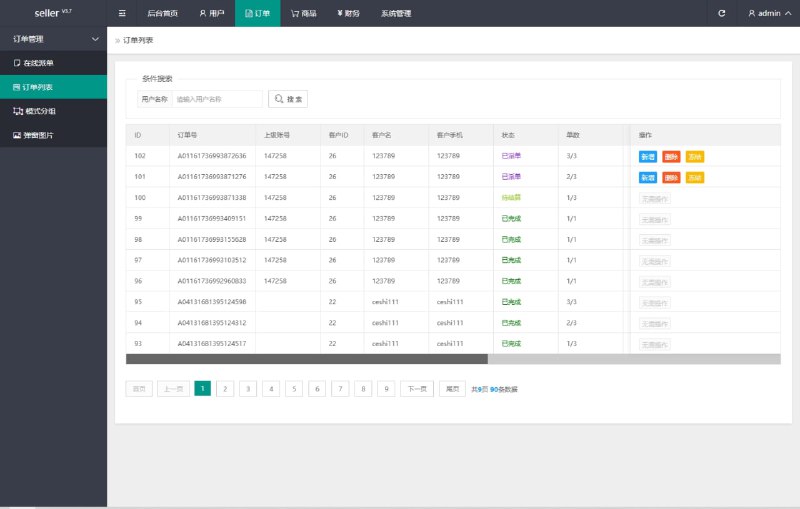
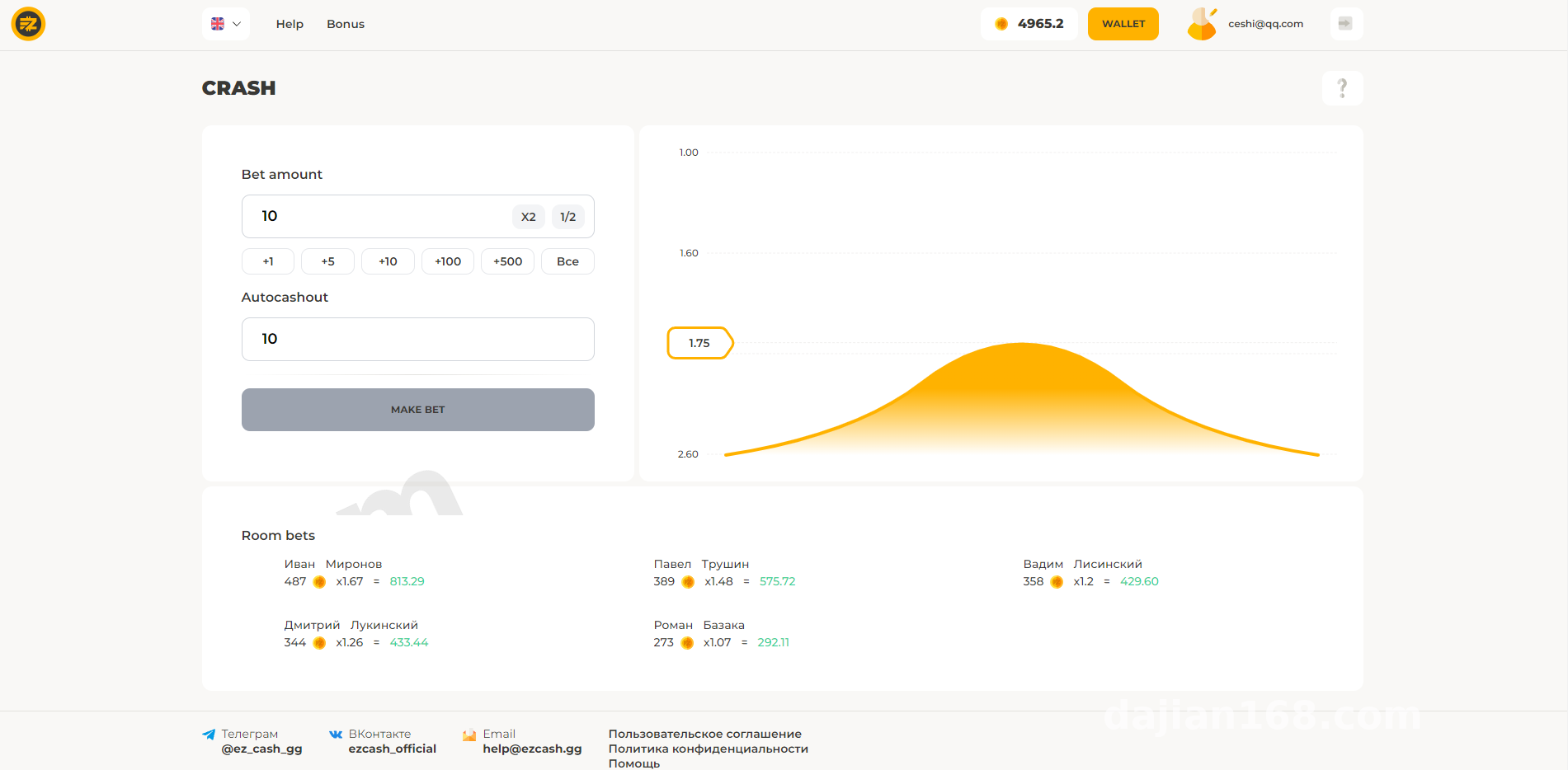
The frontend looks like a lightweight activity page, but the real value sits in the admin side. A few things must be verified in practice: whether multilingual support uses proper language packs instead of hardcoding Chinese and English into templates; whether points transaction logs, round records, and user asset changes all reconcile; and whether the admin panel can cap demo credits so the demo environment doesn’t turn into a bottomless pit.
Random Numbers and Pacing Control
The soul of this kind of system is its random source and settlement pacing. I recommend putting the random number seed in an environment variable so it can rotate on every restart, adding a lock before settlement records hit the database, and using Redis to block duplicate submissions within a short window. The pitfall I hit: my API wasn’t idempotent, and when my test script fired concurrent requests, the same round wrote two transaction records. I later added a unique constraint and gave the frontend button a 150-millisecond cooldown — the logs immediately cleaned up.
Payments and Callbacks Stay in Demo Mode Only
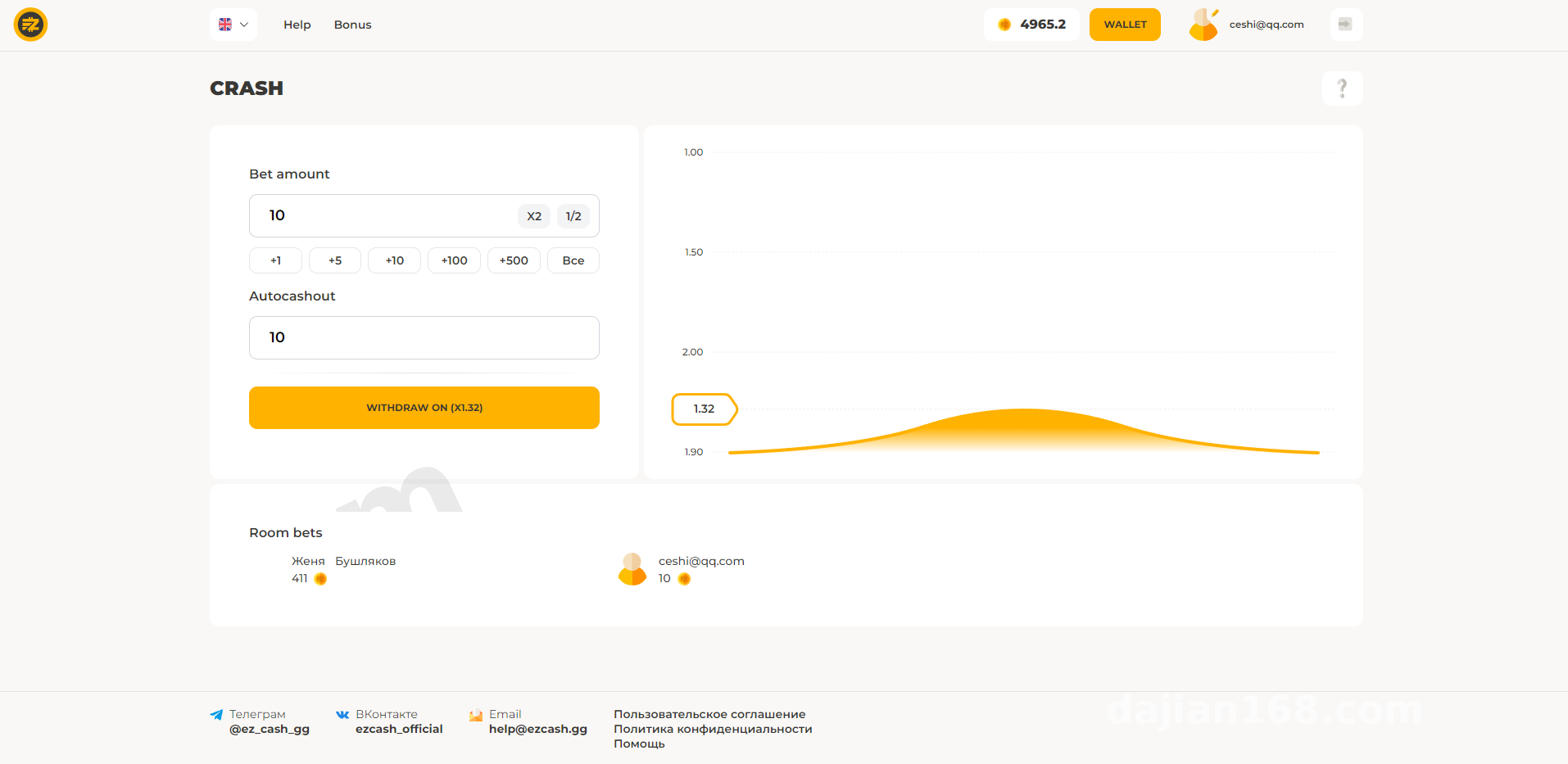
For payments, I downgraded everything to sandbox straight away. Gateway addresses, callback keys, and signature salts all live in the .env file, never in the codebase. The callback endpoint verifies the signature first, writes to a pending table, and only then does a task queue mark it as confirmed. If you don’t have a queue, don’t run callbacks bare — records get lost easily. For a demo environment, force-enable an IP whitelist and a per-transaction cap so nobody uses your interface as a load-testing target.
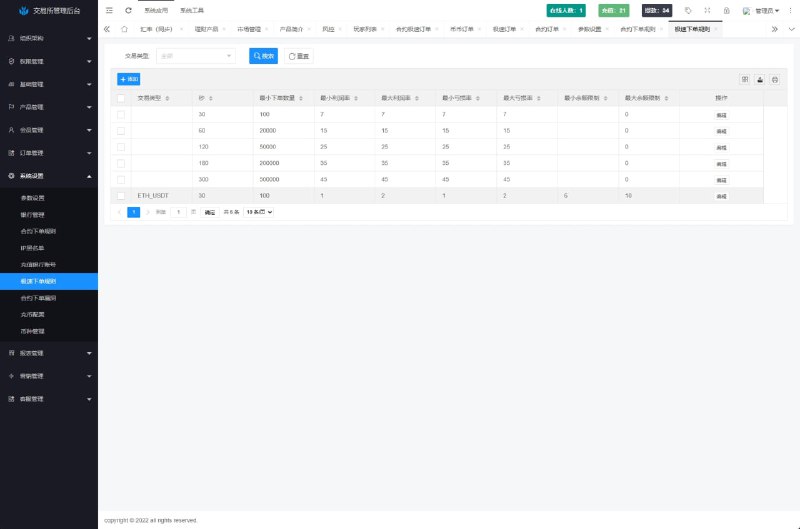
Worth highlighting: admin parameters should take effect instantly but leave an audit trail. Every adjustment to multipliers, durations, or credit limits gets written to an operation log. When something goes wrong, you can roll back — and it’s much easier to explain things to the client.
Deployment Essentials: Don’t Chase the Newest Stack, Prioritize Stability
My stack was Nginx + PHP-FPM + MySQL 8 + Redis. Don’t go aggressive on the PHP version — when the source code is a bit older, 8.1 is far less trouble than 8.3. Give the database utf8mb4, standardize on UTC for the timezone, and convert to the user’s region only at display time. Mount the upload directory on a separate disk, and let a queue compress thumbnails slowly in the background — don’t let one user avatar fill up your disk.
Multilingual Support Is More Than Literal Translation
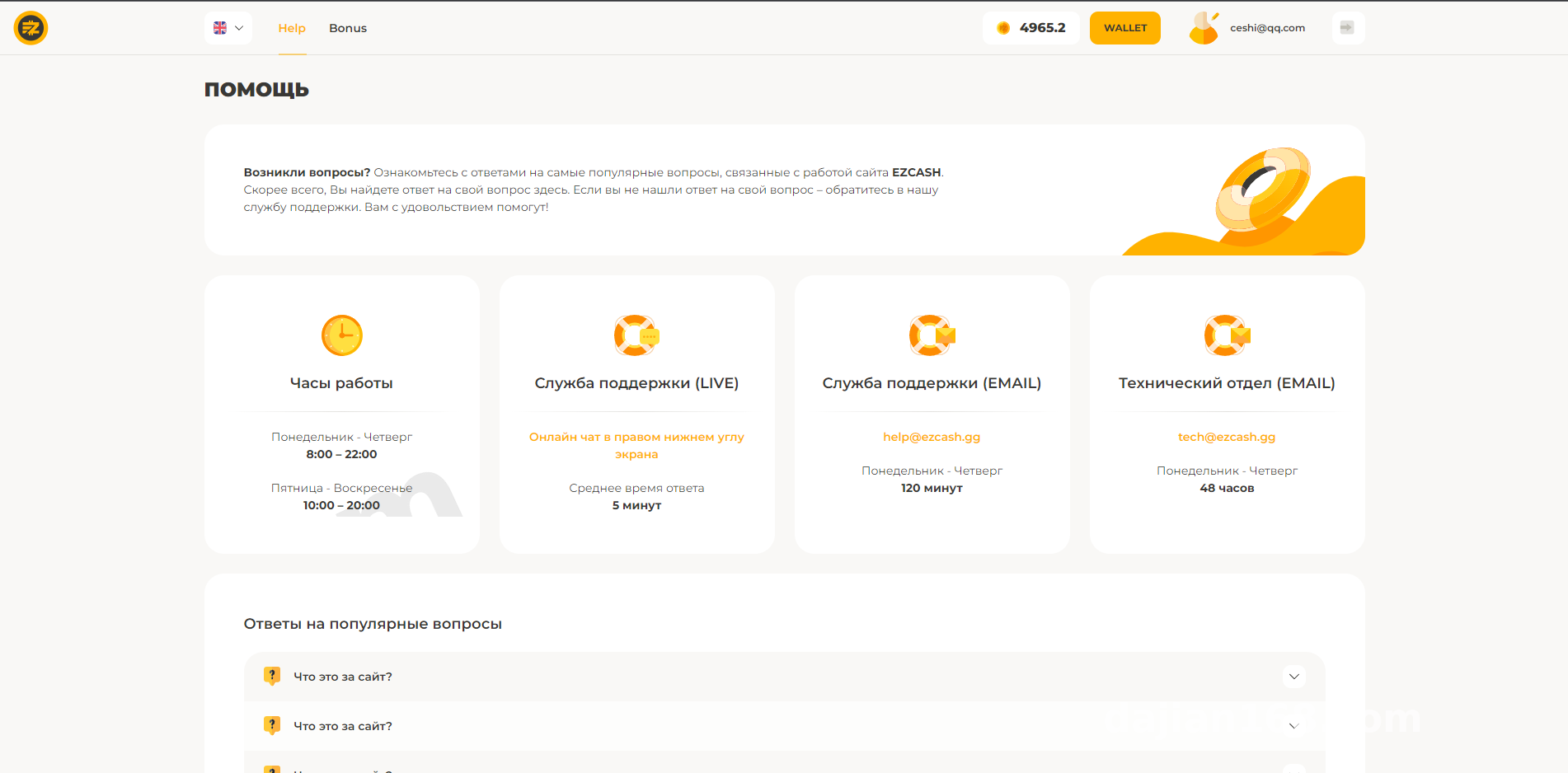
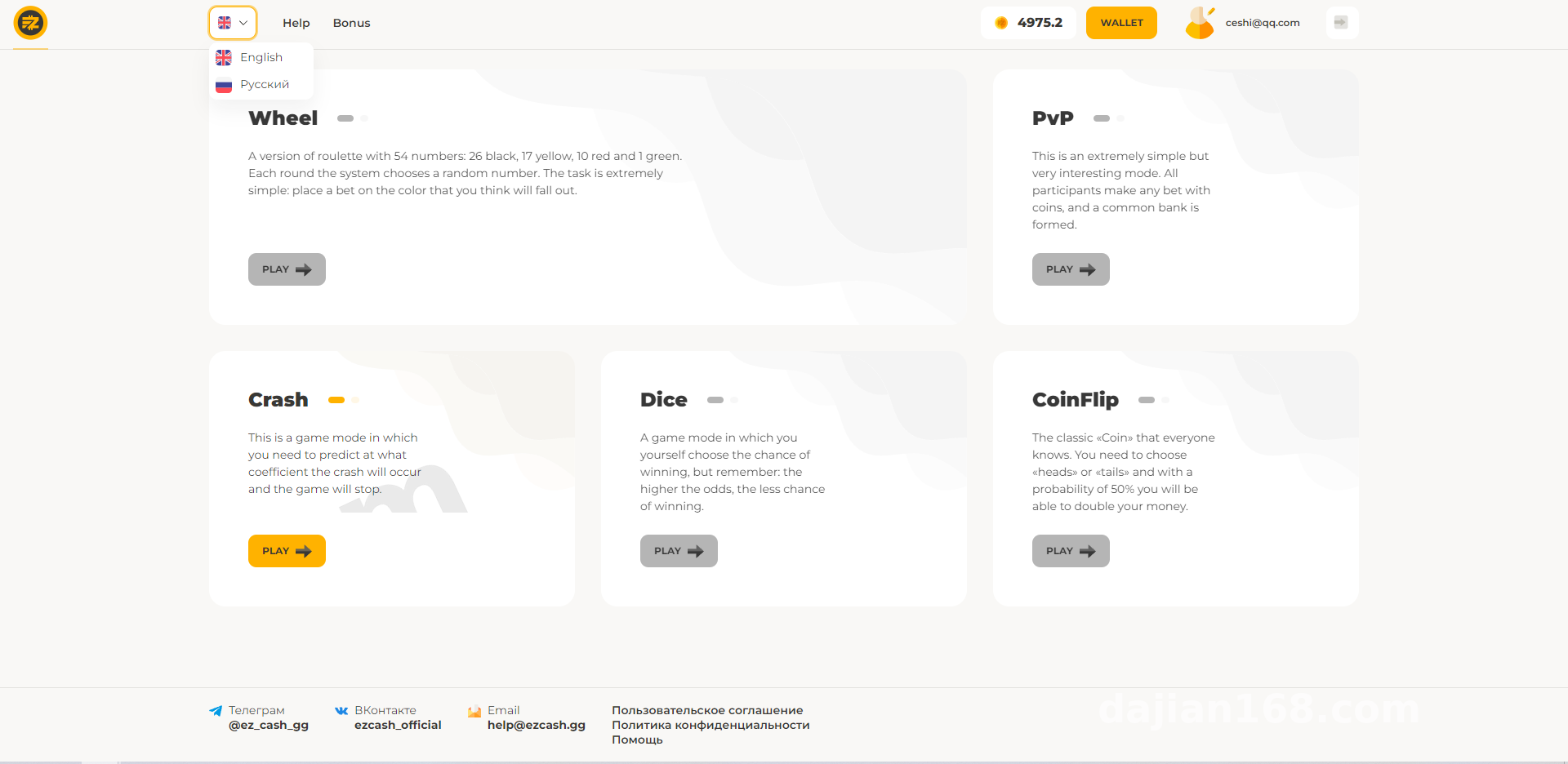
Switching between Chinese and English looks simple, but the traps hide in plural forms, date formats, and prompt text length. Manage language packs with keys, and forbid large blocks of nested conditionals in templates. I also added an alert for missing keys, so the admin panel shows at a glance which page has an untranslated string. One thing overseas demos often overlook: error messages. English text runs long and can blow out your buttons, so the frontend should leave some flex slack in alert boxes.
Tighten Up Admin Access Control
Three admin roles are plenty: super admin, operations, and read-only auditor. Operations staff can tweak demo parameters but can’t touch payment keys; auditors only view logs and never receive permissions. Require a second confirmation for every high-risk action, and watermark exported data. It feels fussy, but the client genuinely used the export records later to stop a misconfiguration before it shipped.
Second-Round Development: Draw the Boundaries Before Adding Features
If the source code has SQL queries piled up inside controllers, further development gets painful fast. I split it into entry points, services, and repositories — the process wasn’t pretty, but it paid off. When adding a new activity rule, I only touch the service layer, never the underlying settlement logic; when the frontend needs a new skin, I only touch theme variables. A centralized config holds all the thresholds: concurrency limits, cooldown times, per-round points caps, and IP rate limits — all hot-reloadable.
A Few Performance Tuning Parameters
For a single-machine demo, don’t overcomplicate things. Estimate PHP-FPM’s pm.max_children from available memory, set Redis maxmemory to 256MB with allkeys-lru enabled, and turn on the MySQL slow query log with a 500ms threshold. For load testing, 300 concurrent short-burst requests are enough — watch the p95 response time and lock waits. When you see latency spikes, check the Nginx access log first, then queue backlog, before you even think about adding machines.
Who This Suits and Where the Line Is
This setup works well for three groups: teams building overseas product prototypes who need to validate flows and copywriting; instructors teaching probability and risk control who want a visual demo; and freelance site owners who can reskin it into a demo with minimal effort. It is not meant for promising returns, and it should never touch real funds. All balances should be virtual points, and every page should clearly state its demo nature.
The disclaimer is written neutrally: this system is for legitimate technical demos, education, and process validation only. It complies with applicable laws and regulations, and any unlawful use is prohibited.
Frequently Asked Questions
Q: After installing the source code, one side of the Chinese-English switch renders blank. Where do I look first?
A: Check whether language keys are missing, then check whether the template cache is serving stale files. I once hit a case where OPcache wasn’t cleared — the frontend kept showing old values even after I updated the language pack. Restarting PHP-FPM fixed it.
Q: I changed a parameter in the admin panel, but the frontend only picks it up occasionally. Cache issue or permission issue?
A: Start with cache. If the parameters table has an updated_at column, have the API carry a version number and force the frontend to refetch when it sees a stale one. Permission problems usually mean an operations role is cached with an old menu — a re-login or session clear fixes it.
Q: Should the demo environment connect to real SMS and payment services?
A: No. Have SMS return a fixed mock verification code, and keep payments on sandbox callbacks. If the client insists on acceptance testing, walk them through the callback logs, the signature verification process, and the exception branches — far safer than wiring up real channels.
Q: What’s the easiest thing to break during second-round development?
A: Settlement uniqueness and timezones. Without a unique constraint, concurrency produces duplicate transaction records; mix up timezones and every report drifts by eight hours a day. Run a round of edge-case tests before launch — it’s much cheaper than patching afterward.
Disclaimer: This article is for technical education and demonstration only. It is not professional or financial advice. Any real-world deployment must comply with applicable laws and regulations.
#system setup log #deployment notes #probability simulation #multilingual website #backend development
-
 Alipay QR Code Scan
-
 WeChat Scan Pay